Thomas Pet Rx
Fish Flex (Cephalexin) Capsules for Aquarium Fish
In stock
500 mg · 100 capsules
The Fish Flex guide: cephalexin for aquarium fish
Fish Flex is cephalexin, a first-generation cephalosporin antibiotic, in 250 mg or 500 mg capsules for ornamental and aquarium fish. Cephalexin is a focused antibiotic. It is strongest against gram-positive bacteria and narrower in scope than the broad-spectrum drugs, which makes fish cephalexin a measured choice for skin, fin and wound infections that have not spread.
Both strengths come in bottles of 100 capsules. Below you will find how cephalexin works, the infections aquarists use it for, how it differs from amoxicillin and the other fish antibiotics, and practical steps for treating fish safely.
Fish Flex at a glance
| Active ingredient | Cephalexin |
|---|---|
| Drug class | First-generation cephalosporin (beta-lactam) antibiotic |
| Strength | 250 mg or 500 mg per capsule |
| Form | Capsule |
| Pack sizes | 250 mg · 100 capsules, 500 mg · 100 capsules |
| Labeled for | Ornamental and aquarium fish |
What is Fish Flex (cephalexin)?
Cephalosporins are close relatives of the penicillins. Like amoxicillin, cephalexin is a beta-lactam that blocks the enzymes bacteria use to build their cell wall, so susceptible bacteria break apart as they try to grow. It kills bacteria rather than only holding them back.
First-generation cephalosporins such as cephalexin have their best activity against gram-positive bacteria, including staphylococci and streptococci, and only modest activity against gram-negative species. Their structure also withstands some of the beta-lactamase enzymes that inactivate penicillin, so cephalexin can still work where penicillin has failed against certain gram-positive strains.
What fish cephalexin is used for
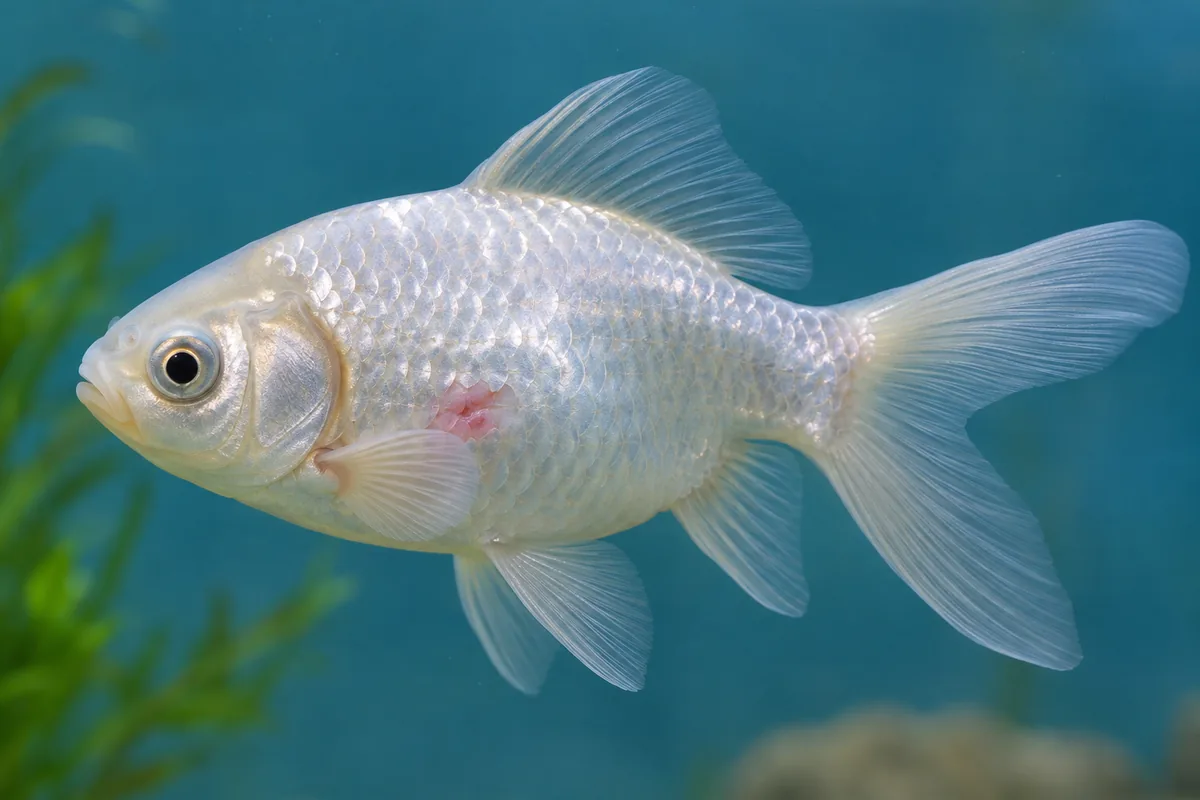
Cephalexin is most useful when the problem is on the outside of the fish and points to gram-positive bacteria:
- Fin and tail rot: eroding fins with red or white edges, especially when a first course of penicillin has not helped.
- Skin ulcers and sores: shallow red patches or open sores on the body that appeared without parasites or an obvious injury.
- Wound infections: bite marks, scrapes and netting injuries that become inflamed instead of healing cleanly.
- Streptococcal disease: popeye and erratic, spinning swimming are signs a veterinarian may link to Streptococcus; testing confirms the cause.
Cephalexin is not a treatment for parasites, fungi or viruses, and it reaches the gram-negative bacteria behind many fast ulcer and columnaris outbreaks only poorly.
Gram-positive or gram-negative?
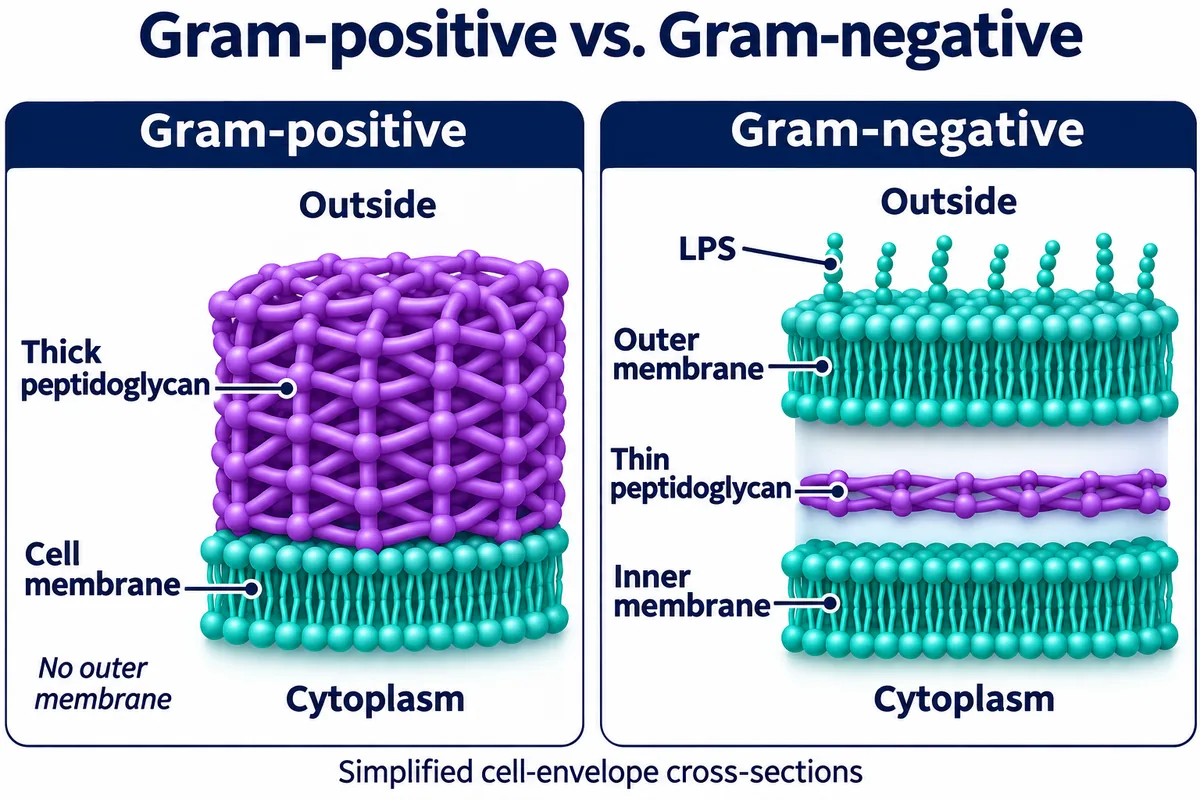
Bacteria fall into two broad groups, named after a laboratory stain. Gram-positive bacteria have a thick, exposed cell wall that beta-lactams such as cephalexin reach easily. Gram-negative bacteria wrap a thin wall in an outer membrane that keeps many antibiotics out.
You cannot tell the two apart by eye, but the pattern of disease gives clues. Fast-spreading ulcers, columnaris and outbreaks that sweep through a tank are usually gram-negative. Slower, localized skin and fin problems, and streptococcal disease, are more often gram-positive. A veterinarian can confirm the group with a stain or a culture, which is the surest way to choose the right drug.
How Fish Flex compares with other fish antibiotics
Choosing between beta-lactams comes down to the bacteria involved. Cephalexin and amoxicillin overlap, but cephalexin holds up better against some penicillin-resistant gram-positive strains, while amoxicillin reaches further into the gram-negative group. When the bacteria are likely gram-negative, a different class is the better tool.
| Product | Active ingredient | Best suited to |
|---|---|---|
| Fish Mox (Amoxicillin) Capsules | Amoxicillin | A broad first-line choice |
| Fish Pen (Penicillin) 500 mg Tablets | Penicillin | Narrow, gram-positive infections only |
| Fish Sulfa (Sulfamethoxazole/Trimethoprim) 960 mg Tablets | Sulfamethoxazole and trimethoprim | Broad cover, including many gram-negative bacteria |
| Fish Flox (Ciprofloxacin) 500 mg Capsules and Tablets | Ciprofloxacin | Serious gram-negative infections |
Choosing your Fish Flex pack
Both bottles hold 100 capsules. The 250 mg capsule suits smaller aquariums and hospital tanks, and the 500 mg capsule makes larger volumes easier. A 100-count bottle usually covers more than one course, which is useful in fish rooms. Follow the label on your bottle for the amount and the length of treatment.
Before you treat with Fish Flex
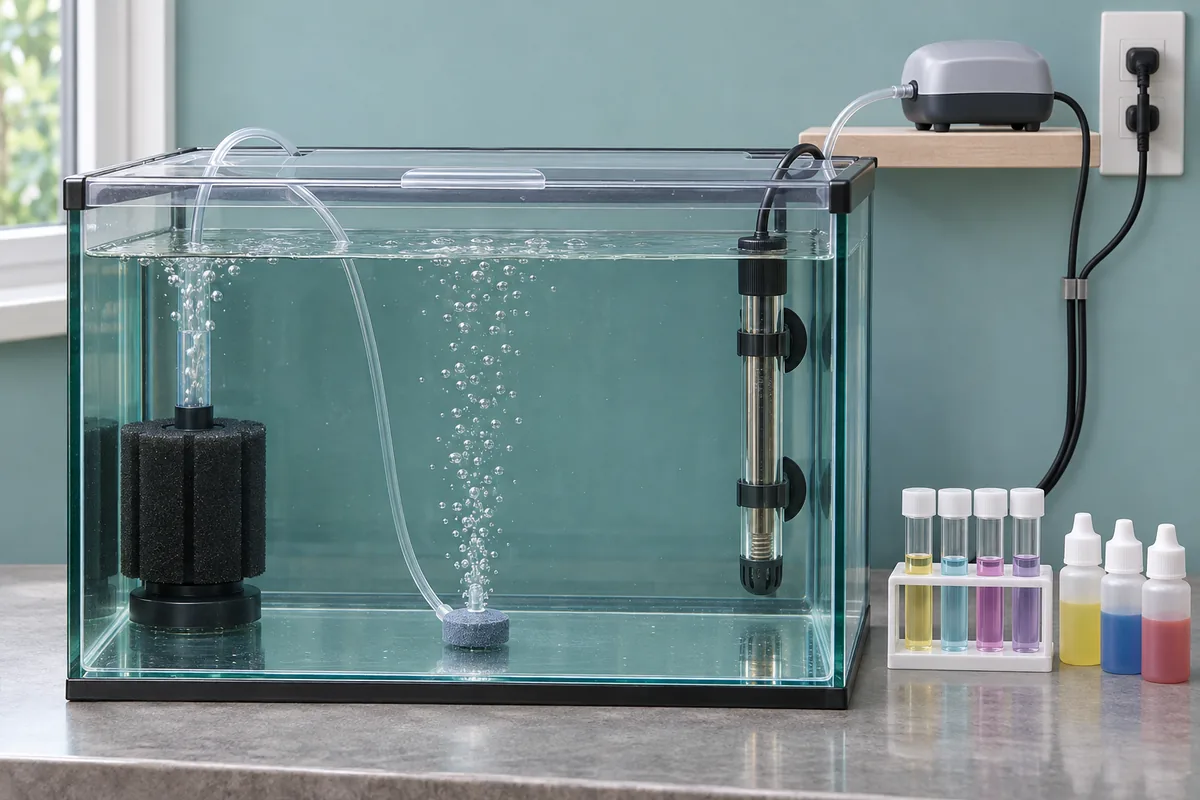
- Test ammonia, nitrite, nitrate and pH first. Poor water quality causes many of the same signs as infection, and it has to be put right whatever else you do.
- Move affected fish to a bare hospital tank when you can. It protects the display tank's filter bacteria, plants and invertebrates, and lets you treat an exact volume.
- Work out the real water volume. Gravel, rock and decor take up space, so a tank holds less than its nominal size.
- Take activated carbon and other chemical media out of the filter, and switch off any UV sterilizer: both remove or break down medication.
- Look closely at the sores before you treat. Fluffy white tufts point to a water mold and white pinhead spots to ich, and neither responds to an antibiotic.
During treatment with Fish Flex
- Follow the directions printed on your bottle for the amount, how often to give it and how long the course lasts.
- Finish the full course even when fish improve early. Stopping short leaves the hardiest organisms behind.
- Increase aeration. Sick fish need more oxygen, and warm water holds less of it.
- Test ammonia and nitrite every day or two, because medication can slow the filter, and change water as the label directs.
- Use one medication at a time unless a veterinarian advises otherwise.
- Watch the edges of sores and fins. A clean edge that stops spreading is the first good sign; spreading redness means the bacteria may not respond to cephalexin.
Signs Fish Flex is working, and when to get help
With a susceptible infection, fish usually look brighter and start eating again within a few days, and the edges of sores and fins stop spreading. Healing tissue may stay pale for a while, and fins regrow over several weeks.
If the signs spread during treatment or new lesions appear, the cause may be gram-negative bacteria or something other than bacteria altogether. At that point an aquatic veterinarian can sample the lesion and identify the right treatment.
Fish Flex safety and storage
Cephalexin is related to penicillin. Anyone with a penicillin or cephalosporin allergy should avoid handling it or should wear gloves. Store the bottle closed, in a cool, dry place away from light and out of reach of children and pets. Dispose of unused product as your local guidance for medicines directs, never into drains that lead to natural water.
Fish Flex: frequently asked questions
What is the difference between Fish Flex and Fish Mox?
Both are beta-lactam antibiotics. Fish Flex (cephalexin) is strongest against gram-positive bacteria and resists some penicillin-destroying enzymes, while Fish Mox (amoxicillin) reaches a little further into gram-negative bacteria. Which one is better depends on the infection.
Is cephalexin safe for all fish?
It is generally well tolerated by community fish. Scaleless fish, young fish and very weak fish are more sensitive to any treatment, so watch them closely and keep the water clean.
Can I use Fish Flex in a planted or reef aquarium?
Treat in a separate hospital tank instead. Plants, corals and invertebrates are better kept out of medicated water, and the display tank's filter is spared.
Does cephalexin treat columnaris?
Columnaris is caused by a gram-negative bacterium, Flavobacterium columnare, which cephalexin reaches poorly. Fish Sulfa, or a drug chosen by a veterinarian, is usually more appropriate.
Can cephalexin be used for popeye?
Popeye has several causes, including injury, poor water and bacterial infection. When a veterinarian links it to gram-positive bacteria such as Streptococcus, cephalexin can be part of the treatment, but correcting the water always comes first.
For ornamental and aquarium fish only. Not for human use, and not for fish kept for food. This page is general information, not veterinary advice: if you are not sure what your fish has, ask an aquatic veterinarian.
Label facts
- Full item name
- Fish Flex (Cephalexin) Capsules for Aquarium Fish
- Labeled species
- Ornamental and aquarium fish
- Active ingredient
- Cephalexin
- Strength
- 250 mg or 500 mg per capsule
- Form
- Capsule
- Pack counts
- 250 mg · 100 capsules, 500 mg · 100 capsules
Questions about diagnosis, which medication to use or how much to give belong with a veterinarian. Our support team can help with orders, shipping and returns.
Reviews
No reviews yet.