Thomas Pet Rx
Fish Mox (Amoxicillin) Capsules for Aquarium Fish
In stock
250 mg · 30 capsules
The Fish Mox guide: amoxicillin for aquarium fish
Fish Mox is amoxicillin in capsule form, made for ornamental and aquarium fish. Amoxicillin is one of the most widely used fish antibiotics in the hobby: it reaches a broad range of common bacteria, most community fish tolerate it well, and it is a sensible first choice when an infection is clearly bacterial and caught early.
Capsules come in two strengths, 250 mg and 500 mg, in bottles of 30 or 100, so you can match the strength to your aquarium and keep a spare course on hand. This guide explains how fish amoxicillin works, when it is the right choice, how it compares with other fish antibiotics, and how to treat safely.
Fish Mox at a glance
| Active ingredient | Amoxicillin |
|---|---|
| Drug class | Penicillin-class (beta-lactam) antibiotic |
| Strength | 250 mg or 500 mg per capsule |
| Form | Capsule |
| Pack sizes | 250 mg · 30 capsules, 250 mg · 100 capsules, 500 mg · 30 capsules, 500 mg · 100 capsules |
| Labeled for | Ornamental and aquarium fish |
What is Fish Mox (amoxicillin)?
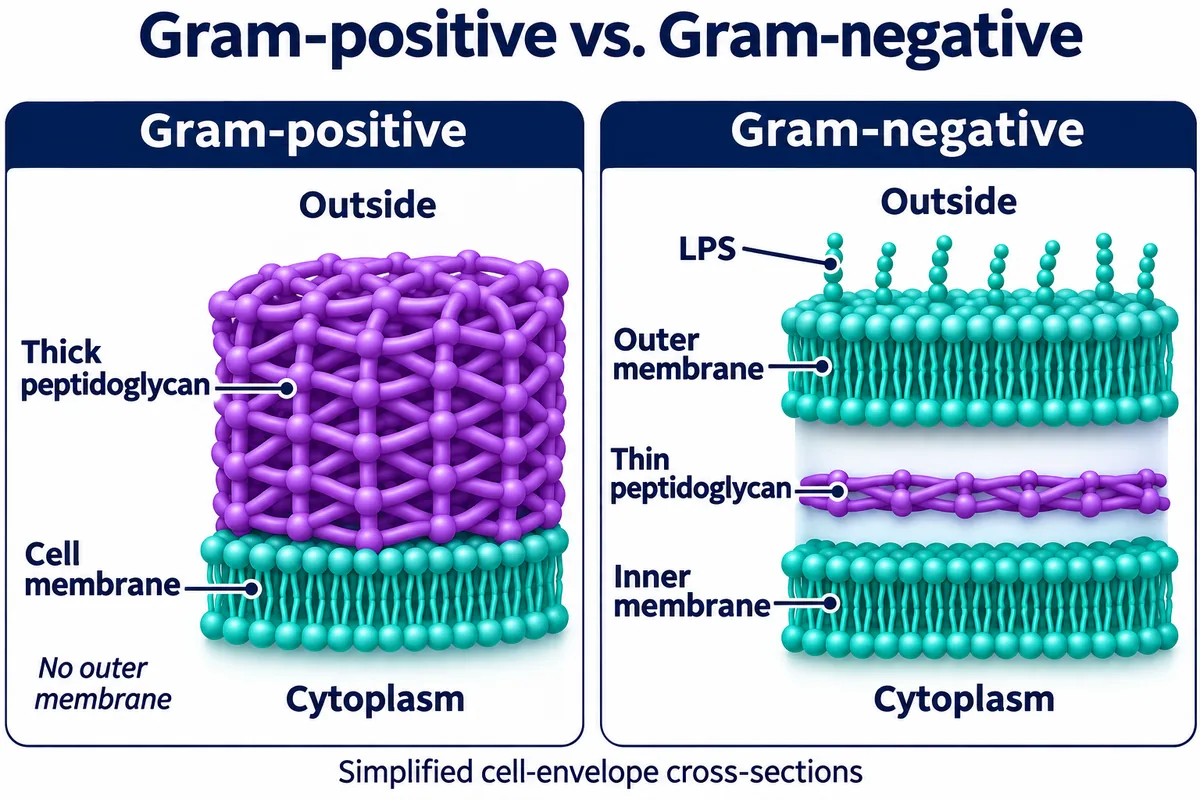
Amoxicillin belongs to the penicillin family of beta-lactam antibiotics. It works by stopping bacteria from building their cell wall. A bacterium that cannot finish its wall bursts as it grows, which is why amoxicillin is described as bactericidal: it kills susceptible bacteria rather than only slowing them down.
Compared with plain penicillin, amoxicillin reaches further into the gram-negative group, the bacteria protected by an extra outer membrane. Its strongest activity is still against gram-positive bacteria, such as the Streptococcus species that can cause popeye and erratic swimming in fish. Some bacteria defend themselves with enzymes called beta-lactamases, which break amoxicillin down before it can act. For those infections, the amoxicillin and clavulanate combination in Fish Mox Clav is the next step.
What fish amoxicillin is used for
Aquarists most often reach for amoxicillin when the signs point to a bacterial problem that has not yet spread through the body:
- Fin and tail rot: frayed, whitened or reddened fin edges that keep receding after the water has been corrected. Fin rot can involve several kinds of bacteria, so watch the response closely during the first days.
- Mouth, skin and eye infections: red streaks, open sores, or a cloudy or swollen eye, once water quality and injury have been ruled out.
- Infected injuries: wounds from fighting, rough netting, shipping or sharp decor that turn red or ragged instead of healing.
Amoxicillin does nothing against parasites such as ich or velvet, against fungi, or against viral disease. If white salt-like spots or a fine gold dust are the main sign, the cause is a parasite, not bacteria.
How Fish Mox compares with other fish antibiotics
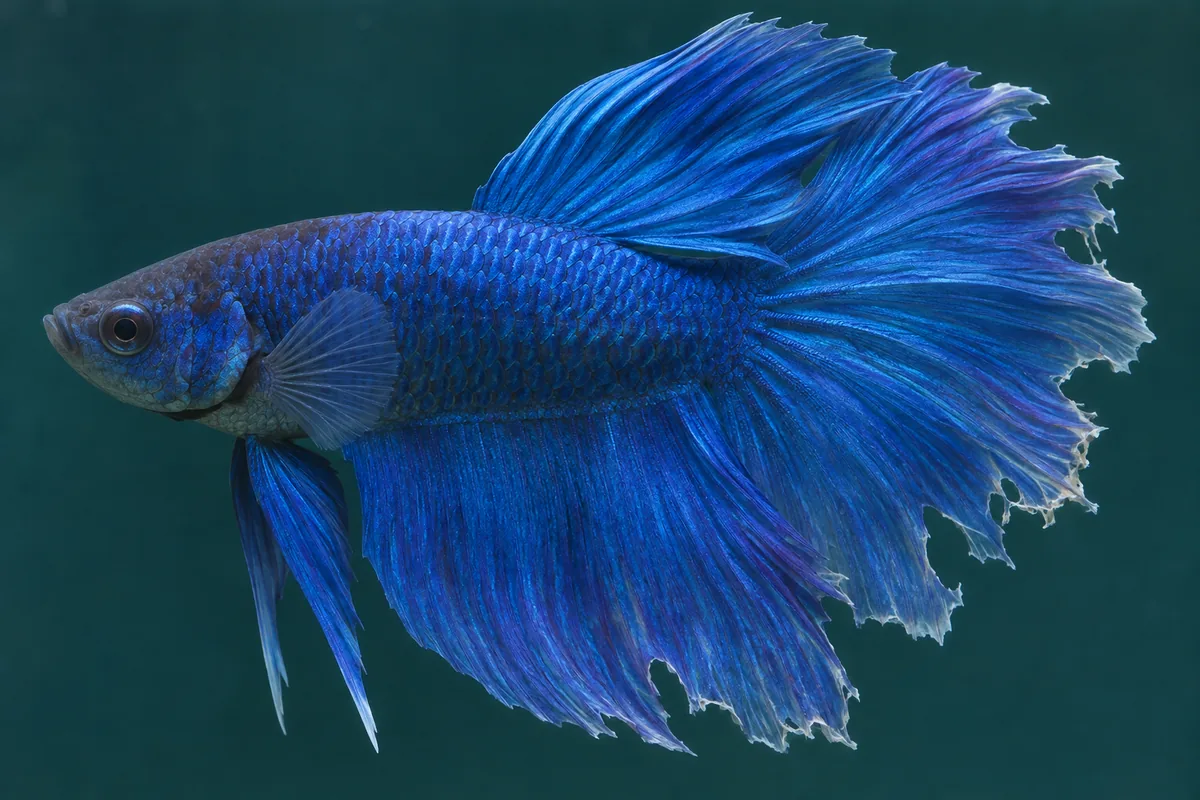
Amoxicillin is a broad, well-tolerated first option, but not the strongest choice for every case. Gram-negative bacteria such as Aeromonas, Pseudomonas and Flavobacterium columnare cause many aggressive ulcers and columnaris outbreaks, and those usually respond better to a drug built for that group.
| Product | Active ingredient | Best suited to |
|---|---|---|
| Fish Mox Clav (Amoxicillin/Clavulanate) 875 mg/125 mg Tablets | Amoxicillin and clavulanate | Infections that resist plain amoxicillin |
| Fish Flex (Cephalexin) Capsules | Cephalexin | Gram-positive skin and fin infections |
| Fish Sulfa (Sulfamethoxazole/Trimethoprim) 960 mg Tablets | Sulfamethoxazole and trimethoprim | Broad cover, including many gram-negative bacteria |
| Fish Flox (Ciprofloxacin) 500 mg Capsules and Tablets | Ciprofloxacin | Serious gram-negative infections |
Choosing your Fish Mox pack
Both strengths contain the same drug; only the amount per capsule differs. The 250 mg capsule suits smaller aquariums and hospital tanks, while the 500 mg capsule makes larger volumes simpler, because fewer capsules give the same amount. The 30-count bottle covers a typical course for one tank, and the 100-count bottle suits fish rooms or a second course. Your label gives the amount per volume of water and the length of the course.
Before you treat with Fish Mox
- Test ammonia, nitrite, nitrate and pH first. Poor water quality causes many of the same signs as infection, and it has to be put right whatever else you do.
- Move affected fish to a bare hospital tank when you can. It protects the display tank's filter bacteria, plants and invertebrates, and lets you treat an exact volume.
- Work out the real water volume. Gravel, rock and decor take up space, so a tank holds less than its nominal size.
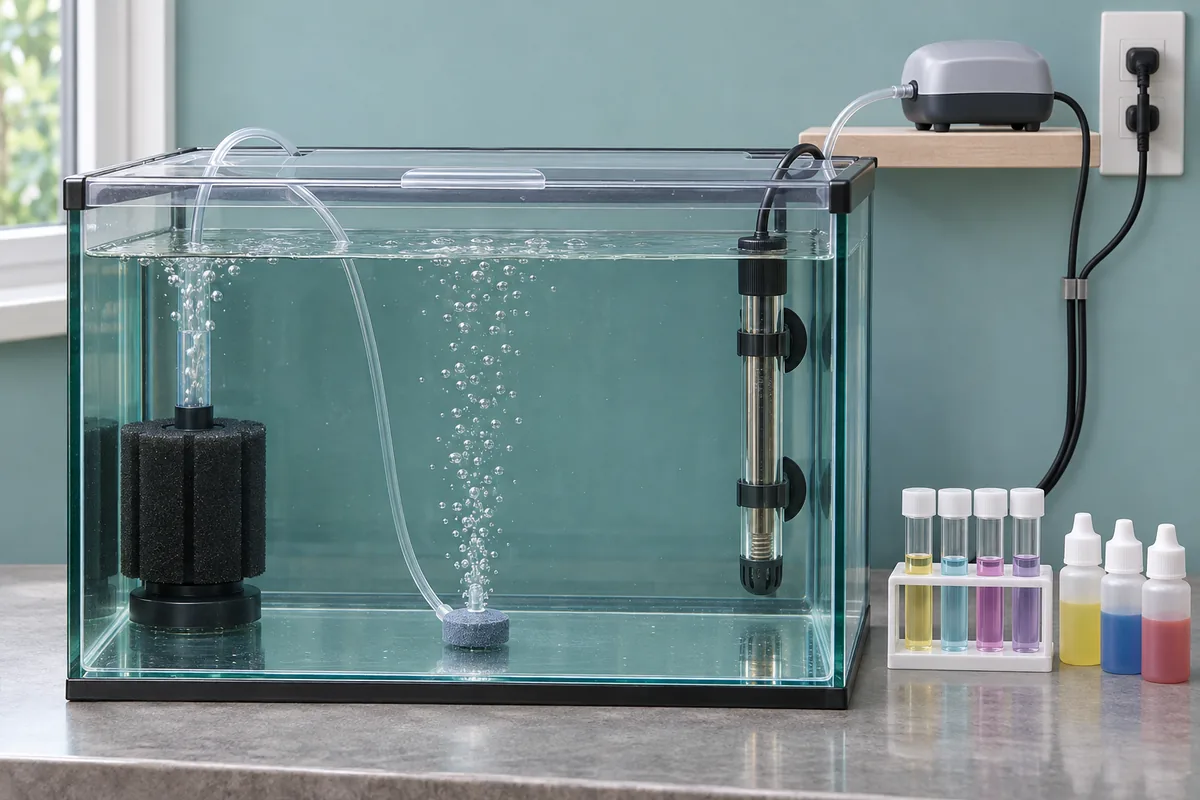
- Take activated carbon and other chemical media out of the filter, and switch off any UV sterilizer: both remove or break down medication.
- Keep shrimp, snails and other invertebrates out of medicated water where you can, since their response to medication varies.
During treatment with Fish Mox
- Follow the directions printed on your bottle for the amount, how often to give it and how long the course lasts.
- Finish the full course even when fish improve early. Stopping short leaves the hardiest organisms behind.
- Increase aeration. Sick fish need more oxygen, and warm water holds less of it.
- Test ammonia and nitrite every day or two, because medication can slow the filter, and change water as the label directs.
- Use one medication at a time unless a veterinarian advises otherwise.
- If the water turns cloudy, test ammonia straight away: a bacterial bloom often means the filter has been set back.
Signs Fish Mox is working, and when to get help
Most owners see the first signs of improvement within a few days. Fish become more active and start eating, and the edges of damaged fins or sores stop spreading and clean up. New fin tissue regrows over several weeks and may look thin and clear at first, which is normal.
If there is no improvement by the middle of the course, or the signs get worse at any point, the bacteria may not be susceptible to amoxicillin. Rather than guessing with one drug after another, ask an aquatic veterinarian, who can culture the infection and recommend the right treatment.
Fish Mox safety and storage
Amoxicillin is a penicillin, so people with a penicillin allergy should avoid handling the capsules or wear gloves. Keep the bottle tightly closed in a cool, dry place away from direct light, out of reach of children and pets. Do not pour medicated water onto plants or into natural waterways, and dispose of unused product as your local guidance for medicines directs.
Fish Mox: frequently asked questions
Is Fish Mox the same as amoxicillin?
Yes. Fish Mox contains amoxicillin, the same active ingredient found in other medicines, labeled here for ornamental and aquarium fish. It is sold for aquarium use only and must never be taken by people.
Can I use Fish Mox in a saltwater aquarium?
Amoxicillin is used in both freshwater and marine systems, and unlike the tetracyclines it is not weakened by the calcium and magnesium in seawater. Corals and invertebrates should not be exposed to medicated water, so treat marine fish in a separate hospital tank.
Will amoxicillin harm my filter?
Any antibiotic can slow the beneficial bacteria living in a filter. Treating in a hospital tank avoids the problem. In a display tank, test ammonia and nitrite often and be ready to change water.
Can I combine Fish Mox with other treatments?
Use one medication at a time unless a veterinarian tells you otherwise. Combining drugs makes it hard to tell what is working and adds stress for the fish and the filter.
How quickly does Fish Mox work?
Amoxicillin starts acting as soon as it reaches the bacteria, but visible change takes a few days: first the fish's behavior and appetite improve, then the lesions. Judge it over the whole course, not the first day.
For ornamental and aquarium fish only. Not for human use, and not for fish kept for food. This page is general information, not veterinary advice: if you are not sure what your fish has, ask an aquatic veterinarian.
Label facts
- Full item name
- Fish Mox (Amoxicillin) Capsules for Aquarium Fish
- Labeled species
- Ornamental and aquarium fish
- Active ingredient
- Amoxicillin
- Strength
- 250 mg or 500 mg per capsule
- Form
- Capsule
Questions about diagnosis, which medication to use or how much to give belong with a veterinarian. Our support team can help with orders, shipping and returns.
Reviews
No reviews yet.