Thomas Pet Rx
Fish Zole (Metronidazole) Tablets for Aquarium Fish
In stock
250 mg · 100 tablets
The Fish Zole guide: metronidazole for aquarium fish
Fish Zole is metronidazole at 250 mg or 500 mg per tablet for ornamental and aquarium fish. Metronidazole is unusual among fish medications: it acts on anaerobic bacteria and on certain protozoan parasites, such as the internal flagellates that trouble cichlids, discus and gouramis, rather than on the everyday bacteria most antibiotics target.
Both strengths come in bottles of 100 tablets. Read on for how metronidazole for fish works, the problems it is used for, how it is usually given, and what it will not treat.
Fish Zole at a glance
| Active ingredient | Metronidazole |
|---|---|
| Drug class | Nitroimidazole (antibacterial and antiprotozoal) |
| Strength | 250 mg or 500 mg per tablet |
| Form | Tablet |
| Pack sizes | 250 mg · 100 tablets, 500 mg · 100 tablets |
| Labeled for | Ornamental and aquarium fish |
What is Fish Zole (metronidazole)?
Metronidazole belongs to the nitroimidazole class. Inside organisms that live without oxygen, it is converted into a reactive form that damages their DNA and kills them. That mechanism explains its narrow but valuable range: anaerobic bacteria and some single-celled parasites are affected, while bacteria that need oxygen, which include most common fish pathogens, are not.
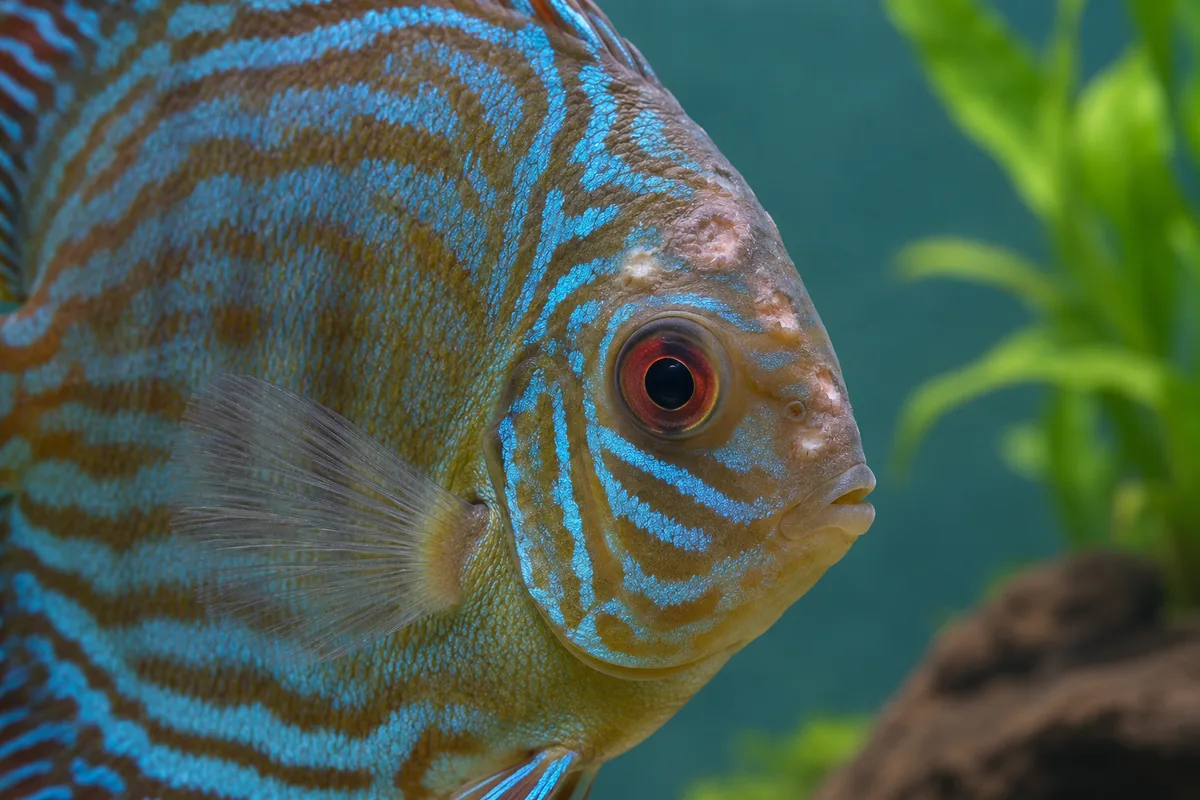
In the hobby, metronidazole is best known for internal flagellates such as Hexamita and Spironucleus, which live in the gut and can spread through the body of weakened fish.
What metronidazole for fish is used for
Fishkeepers use metronidazole for a specific set of problems:
- Internal flagellates: fish that lose weight despite eating, pass pale, stringy droppings, or hide and stop feeding, especially cichlids, discus and gouramis.
- Hole-in-the-head and lateral line erosion: pitting around the head and along the lateral line in cichlids and discus; treatment works best alongside better water quality and diet.
- Anaerobic bacterial infections: deep infections in tissue where oxygen is low, usually as part of a veterinarian's plan.
Metronidazole is not a general antibiotic. It does not reach aerobic bacteria such as Aeromonas, Pseudomonas or the cause of columnaris, so it is the wrong choice for most ulcers, fin rot and cottony mouth lesions.
Recognising internal flagellates
Internal flagellates such as Hexamita and Spironucleus live in the gut of many fish and usually cause no harm. Trouble starts when fish are stressed, crowded, kept in poor water or fed a poor diet, and the parasites multiply.
Signs develop slowly: a fish that eats but stays thin, white, stringy or mucus-coated droppings, a darker color, hiding and, later, refusing food. In cichlids and discus, pitting around the head can follow. Several of these signs together point to flagellates, but a microscope examination of droppings is the only sure way to know.
Giving metronidazole in food
For parasites in the gut, medicated food puts the drug where it is needed. Many keepers soak a small amount of food in the dissolved medication before feeding. This only works while fish are still eating, and the amount and schedule should come from your label or a veterinarian. Remove uneaten food so it does not foul the water.
How Fish Zole compares with other fish medications
Because metronidazole targets a different group of organisms, it rarely competes with the other fish antibiotics. Instead it fills a gap they leave.
| Product | Active ingredient | Best suited to |
|---|---|---|
| Fish Sulfa (Sulfamethoxazole/Trimethoprim) 960 mg Tablets | Sulfamethoxazole and trimethoprim | Common bacterial skin, fin and gill infections |
| Fish Flox (Ciprofloxacin) 500 mg Capsules and Tablets | Ciprofloxacin | Serious gram-negative infections |
| Fish Clin (Clindamycin) 150 mg Capsules | Clindamycin | Gram-positive and anaerobic bacteria |
| Fish Mox (Amoxicillin) Capsules | Amoxicillin | A first-line antibacterial |
Choosing your Fish Zole pack
The 250 mg tablet suits smaller aquariums and medicated food for a few fish, and the 500 mg tablet makes larger volumes simpler. Both come in bottles of 100, enough for repeated courses in a fish room. Your bottle's label gives the amount, how to give it and how long to treat.
Before you treat with Fish Zole
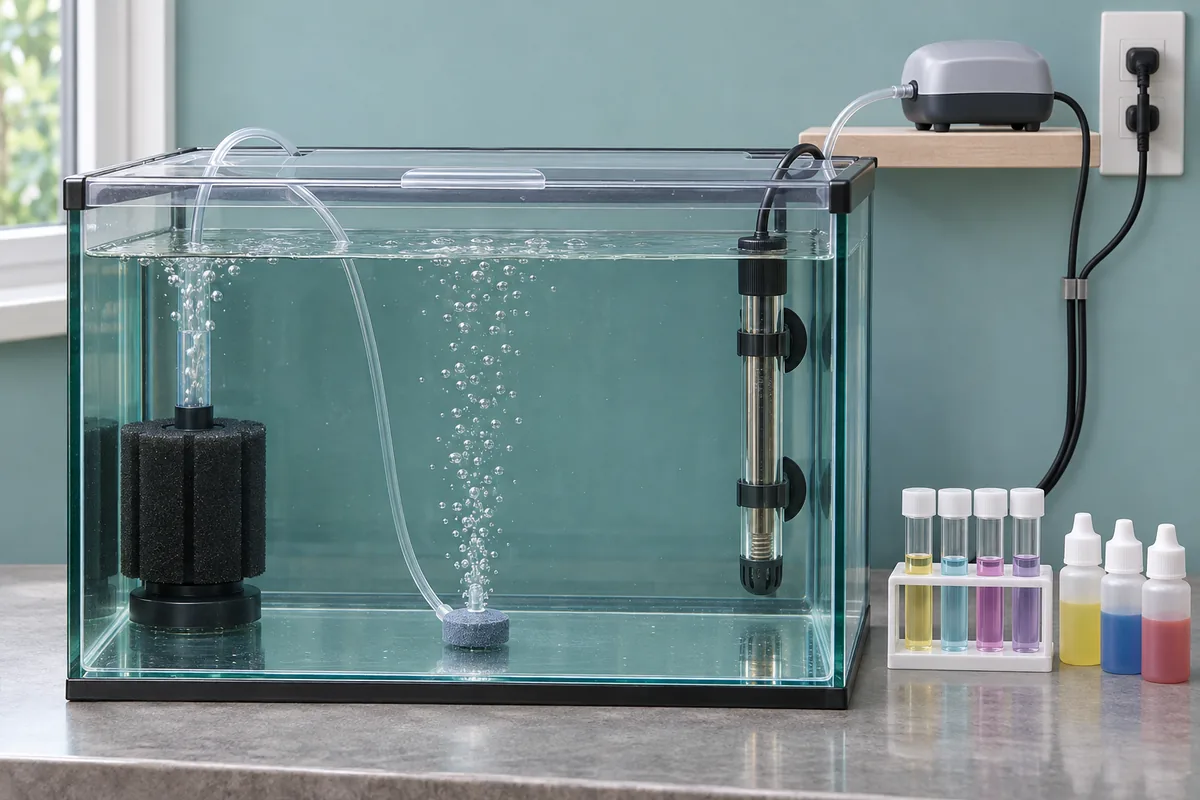
- Test ammonia, nitrite, nitrate and pH first. Poor water quality causes many of the same signs as infection, and it has to be put right whatever else you do.
- Move affected fish to a bare hospital tank when you can. It protects the display tank's filter bacteria, plants and invertebrates, and lets you treat an exact volume.
- Work out the real water volume. Gravel, rock and decor take up space, so a tank holds less than its nominal size.
- Take activated carbon and other chemical media out of the filter, and switch off any UV sterilizer: both remove or break down medication.
- Notice whether the fish is still eating. Internal parasites are often treated through medicated food, which only works for fish that feed; the label explains the options.
During treatment with Fish Zole
- Follow the directions printed on your bottle for the amount, how often to give it and how long the course lasts.
- Finish the full course even when fish improve early. Stopping short leaves the hardiest organisms behind.
- Increase aeration. Sick fish need more oxygen, and warm water holds less of it.
- Test ammonia and nitrite every day or two, because medication can slow the filter, and change water as the label directs.
- Use one medication at a time unless a veterinarian advises otherwise.
- Metronidazole dissolves slowly. Crush tablets finely and dissolve them in a cup of tank water before adding them, unless your label says otherwise.
- Keep the tank dim, because metronidazole is sensitive to light.
Signs Fish Zole is working, and when to get help
Fish recovering from internal flagellates usually start eating more steadily during the course, and their droppings return to normal: solid and dark. Weight comes back slowly, over several weeks.
Pits from hole-in-the-head stop spreading first and fill in gradually once water quality and diet are right. If fish keep losing condition, ask a veterinarian to examine their droppings under a microscope to confirm the cause.
Fish Zole safety and storage
Store tablets closed in a cool, dry place away from light, out of reach of children and pets. Metronidazole has caused cancer in laboratory animals at high doses, so avoid skin contact with the dissolved product, wash your hands after handling, and never use it in fish intended for food. Dispose of unused product as your local guidance for medicines directs.
Fish Zole: frequently asked questions
Does Fish Zole treat ich?
No. Ich, or white spot, is a different parasite that lives on the skin and gills, and it needs an anti-parasite treatment.
Can I use metronidazole for fin rot?
Usually not. Fin rot is caused by aerobic bacteria that metronidazole does not reach, so an antibacterial such as Fish Mox or Fish Sulfa is the better choice.
Is metronidazole safe for discus?
It is widely used with discus and other cichlids, which are prone to internal flagellates. As with any treatment, follow the label and watch the fish closely.
What is the difference between the 250 mg and 500 mg tablets?
Only the amount per tablet. Your label's directions for the water volume, or for medicated food, decide how many tablets you use.
Can I treat a planted tank with Fish Zole?
A separate hospital tank is better. There you can dose an exact volume, and the display tank's plants and filter are left undisturbed.
How long before fish start eating normally again?
Fish that respond usually show more interest in food within the first days of treatment. Regaining lost weight takes longer, often several weeks of good feeding after the course.
For ornamental and aquarium fish only. Not for human use, and not for fish kept for food. This page is general information, not veterinary advice: if you are not sure what your fish has, ask an aquatic veterinarian.
Label facts
- Full item name
- Fish Zole (Metronidazole) Tablets for Aquarium Fish
- Labeled species
- Ornamental and aquarium fish
- Active ingredient
- Metronidazole
- Strength
- 250 mg or 500 mg per tablet
- Form
- Tablet
- Pack counts
- 250 mg · 100 tablets, 500 mg · 100 tablets
Questions about diagnosis, which medication to use or how much to give belong with a veterinarian. Our support team can help with orders, shipping and returns.
Reviews
No reviews yet.