Thomas Pet Rx
Fish Levofloxacin 500 mg Tablets for Aquarium Fish
In stock
500 mg · 30 tablets
The Fish Levofloxacin guide: levofloxacin for aquarium fish
Fish Levofloxacin is levofloxacin at 500 mg per tablet for ornamental and aquarium fish. Levofloxacin is a newer fluoroquinolone that keeps the strong gram-negative activity of its family and adds better reach against gram-positive bacteria, which makes it a broad tool for serious infections.
Each bottle holds 30 tablets. This guide explains how levofloxacin for fish works, when its strength is justified, how it compares with ciprofloxacin, and how to treat safely.
Fish Levofloxacin at a glance
| Active ingredient | Levofloxacin |
|---|---|
| Drug class | Fluoroquinolone antibiotic |
| Strength | 500 mg per tablet |
| Form | Tablet |
| Pack sizes | 500 mg · 30 tablets |
| Labeled for | Ornamental and aquarium fish |
What is Fish Levofloxacin?
Fluoroquinolones block DNA gyrase and topoisomerase IV, two enzymes bacteria need to copy and separate their DNA. Bacteria that cannot copy their DNA cannot divide, and they die, so levofloxacin is bactericidal.
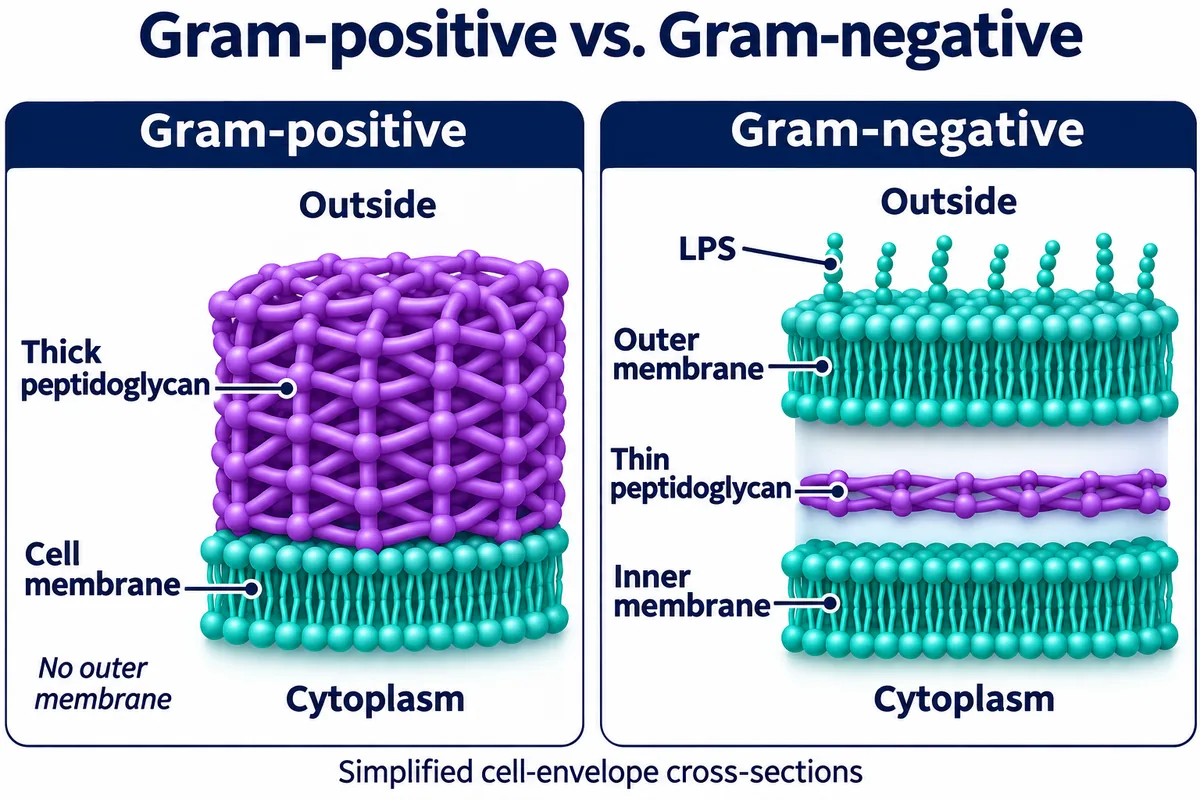
Levofloxacin is the active half of an older drug, ofloxacin. Compared with ciprofloxacin it reaches gram-positive bacteria such as Streptococcus better, while ciprofloxacin remains slightly stronger against some gram-negative species such as Pseudomonas. That balance makes levofloxacin useful when an infection is serious and the bacteria involved are not known.
What levofloxacin for fish is used for
Levofloxacin is kept for infections that call for a strong, broad antibacterial:
- Serious infections of unknown cause: fish with red streaks, ulcers and loss of appetite when it is unclear which bacteria are involved.
- Mixed infections: cases where gram-positive and gram-negative bacteria may both be present.
- Gill infections: inflamed or damaged gills and rapid breathing that continue after water quality has been corrected.
- Infections that resisted a first-line drug: cases where amoxicillin, cephalexin or a sulfa made no difference.
Levofloxacin does not treat parasites, fungi or viruses, and it is too strong a tool for small, early infections that a first-line drug can handle.
Ciprofloxacin or levofloxacin?
Both belong to the same family and share the same strengths and cautions. Ciprofloxacin is among the most potent antibiotics against gram-negative bacteria such as Aeromonas and Pseudomonas. Levofloxacin gives up a little of that edge in exchange for better gram-positive cover, including streptococci.
In practice, ciprofloxacin suits infections with typical gram-negative signs, such as aggressive red ulcers, while levofloxacin suits serious cases where streptococci or a mix of bacteria are possible. A culture settles the question.
Gill infections: why breathing comes first
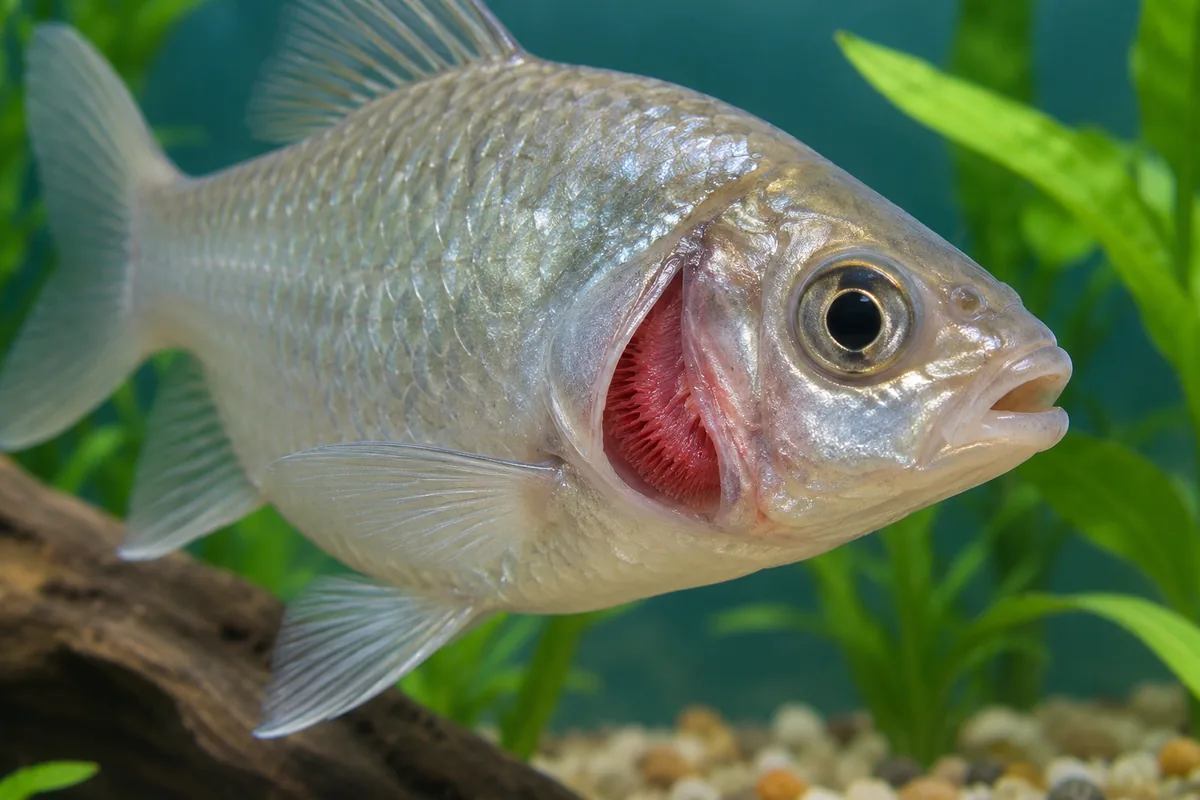
Gills are thin and packed with blood vessels, so bacteria that reach them quickly affect breathing. Signs include gill covers that flare or stay open, pale or swollen gill tissue, gasping at the surface and fish crowding near the filter outlet. Ammonia, nitrite and low oxygen cause the same signs, so test the water and add aeration before deciding the cause is an infection.
Using fluoroquinolones responsibly
Fluoroquinolones are important in human and animal medicine, and resistance to them spreads between bacteria. Keep levofloxacin for serious infections, finish every course at the amount on the label, and never use leftover tablets on fish that look only slightly unwell.
How Fish Levofloxacin compares with other fish antibiotics
Levofloxacin sits at the strong end of the range. For milder infections, or for bacteria with a known weakness, a narrower drug is often the better first choice.
| Product | Active ingredient | Best suited to |
|---|---|---|
| Fish Flox (Ciprofloxacin) 500 mg Capsules and Tablets | Ciprofloxacin | The same family, strongest against gram-negative bacteria |
| Fish Sulfa (Sulfamethoxazole/Trimethoprim) 960 mg Tablets | Sulfamethoxazole and trimethoprim | Broad cover by a different mode of action |
| Fish Mox Clav (Amoxicillin/Clavulanate) 875 mg/125 mg Tablets | Amoxicillin and clavulanate | Infections that resist plain amoxicillin |
| Fish Zithro (Azithromycin) 250 mg Tablets | Azithromycin | A long-acting second-line choice |
What is in a bottle of Fish Levofloxacin
Each bottle holds 30 tablets of 500 mg levofloxacin, typically enough for a full course in one aquarium. Larger systems may need more than one bottle; the label gives the amount per volume of water and the length of the course, so check it before you start.
Before you treat with Fish Levofloxacin
- Test ammonia, nitrite, nitrate and pH first. Poor water quality causes many of the same signs as infection, and it has to be put right whatever else you do.
- Move affected fish to a bare hospital tank when you can. It protects the display tank's filter bacteria, plants and invertebrates, and lets you treat an exact volume.
- Work out the real water volume. Gravel, rock and decor take up space, so a tank holds less than its nominal size.
- Take activated carbon and other chemical media out of the filter, and switch off any UV sterilizer: both remove or break down medication.
- Check water hardness. Calcium and magnesium bind fluoroquinolones, so very hard water and seawater reduce how much drug is free to act.
During treatment with Fish Levofloxacin
- Follow the directions printed on your bottle for the amount, how often to give it and how long the course lasts.
- Finish the full course even when fish improve early. Stopping short leaves the hardiest organisms behind.
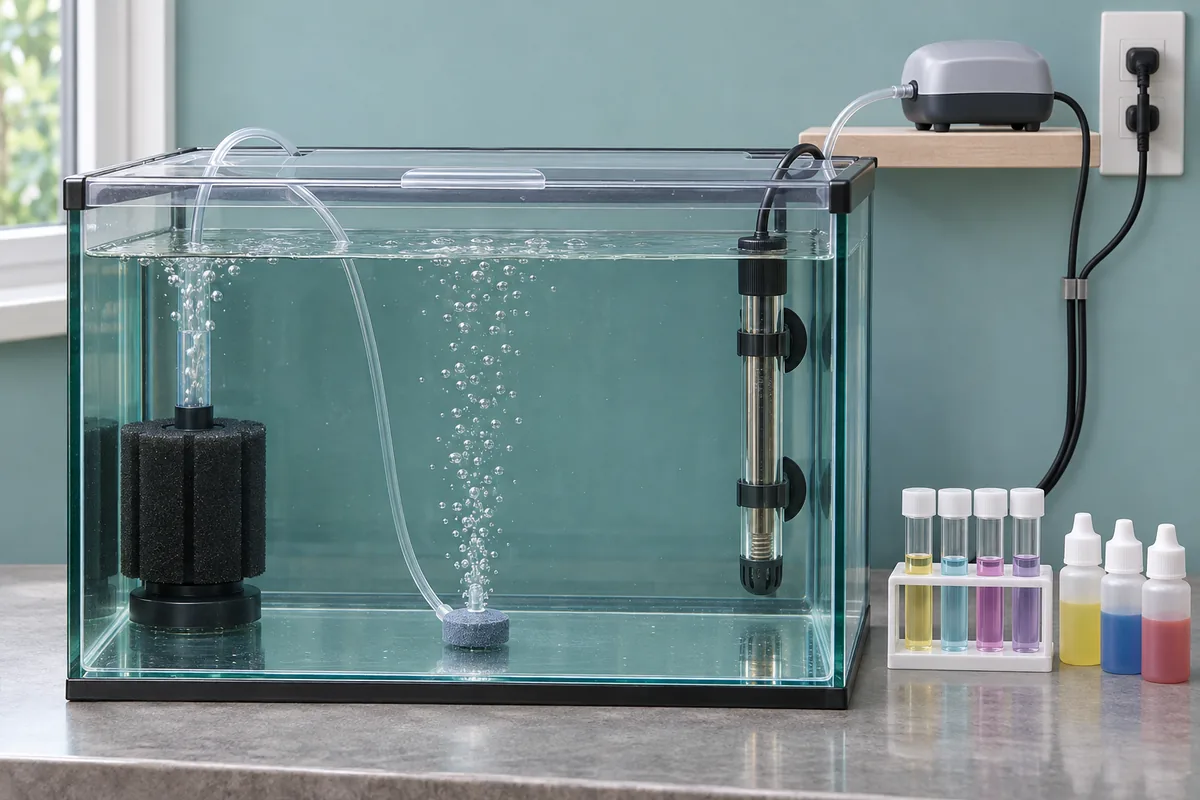
- Increase aeration. Sick fish need more oxygen, and warm water holds less of it.
- Test ammonia and nitrite every day or two, because medication can slow the filter, and change water as the label directs.
- Use one medication at a time unless a veterinarian advises otherwise.
- Keep the tank lights low, because fluoroquinolones break down in light.
Signs Fish Levofloxacin is working, and when to get help
Against susceptible bacteria levofloxacin works quickly. Within a few days fish should breathe more easily, eat again and stop developing new red patches. Ulcers then close from the edges over one to several weeks.
If fish get worse during the course, the bacteria may be resistant, or the cause may not be bacterial. Ask an aquatic veterinarian for a culture rather than moving to yet another antibiotic.
Fish Levofloxacin safety and storage
Keep the bottle closed in a cool, dry, dark place, out of reach of children and pets, and wash your hands after handling. Fluoroquinolone resistance is a public health concern, so finish every course, never use the product for people or for fish kept for food, and dispose of unused product as your local guidance for medicines directs.
Fish Levofloxacin: frequently asked questions
Is Fish Levofloxacin stronger than Fish Flox?
Not stronger, but different. Levofloxacin reaches gram-positive bacteria better, while ciprofloxacin (Fish Flox) is slightly stronger against some gram-negative species.
Can I use levofloxacin in saltwater?
Seawater's magnesium and calcium bind fluoroquinolones and reduce their effect. Check the label and ask a veterinarian before treating marine fish, and treat in a hospital tank.
Will levofloxacin harm my filter?
It is a strong antibacterial and can set back filter bacteria. Treat in a hospital tank where possible, or test ammonia and nitrite every day or two.
Should I use levofloxacin first, to be safe?
No. Starting with the strongest drug encourages resistance. Use a first-line antibiotic for mild infections and keep levofloxacin for serious ones.
Does levofloxacin treat fish TB?
Fish tuberculosis (mycobacteriosis) is not reliably cured by any antibiotic. Affected fish usually have to be removed; ask a veterinarian, and wear gloves when working in the tank.
Can I combine Fish Levofloxacin with other medications?
Only on a veterinarian's advice. Combining drugs makes side effects more likely and hides which one is working.
For ornamental and aquarium fish only. Not for human use, and not for fish kept for food. This page is general information, not veterinary advice: if you are not sure what your fish has, ask an aquatic veterinarian.
Label facts
- Full item name
- Fish Levofloxacin 500 mg Tablets for Aquarium Fish
- Labeled species
- Ornamental and aquarium fish
- Active ingredient
- Levofloxacin
- Strength
- 500 mg per tablet
- Form
- Tablet
- Pack counts
- 500 mg · 30 tablets
Questions about diagnosis, which medication to use or how much to give belong with a veterinarian. Our support team can help with orders, shipping and returns.
Reviews
No reviews yet.