Thomas Pet Rx
Fish Doxy (Doxycycline) 100 mg Tablets and Capsules for Aquarium Fish
In stock
100 mg · 100 tablets
The Fish Doxy guide: doxycycline hyclate for aquarium fish
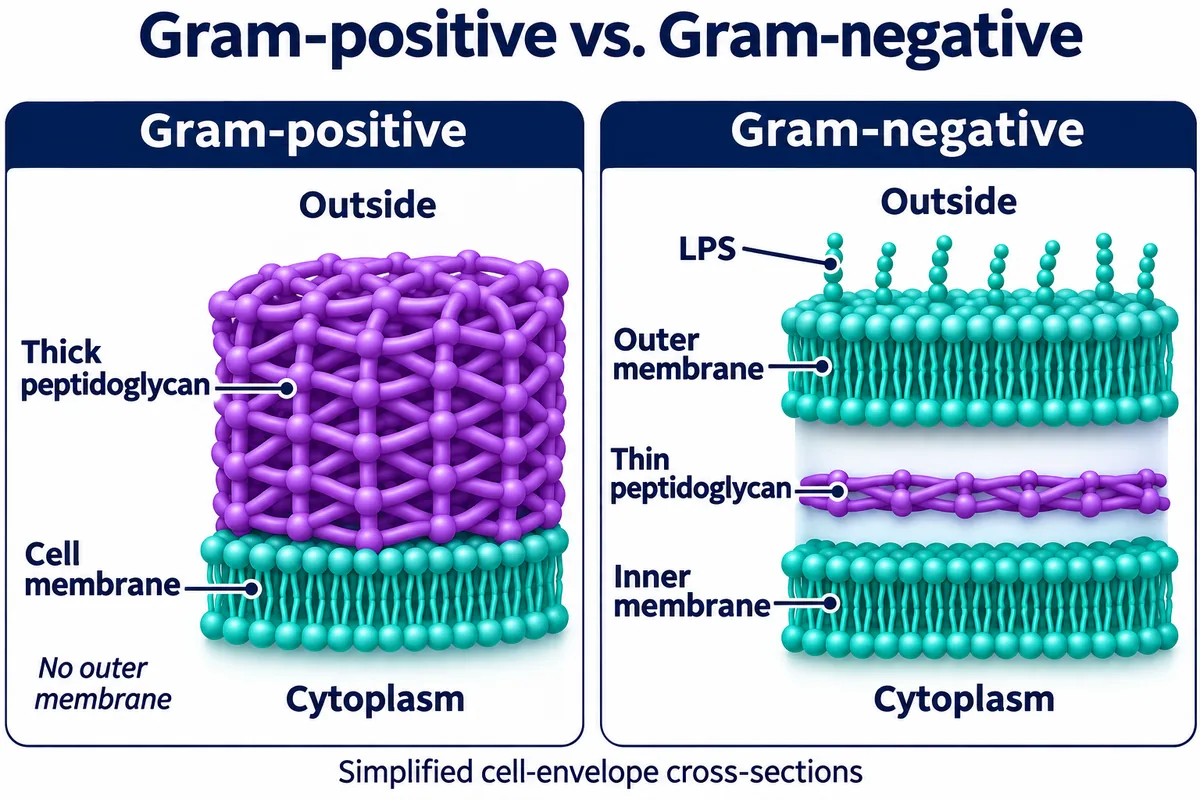
Fish Doxy is doxycycline hyclate at 100 mg per tablet or capsule, for ornamental and aquarium fish. Doxycycline is a tetracycline-class antibiotic with one of the widest spectrums available to fishkeepers: it reaches gram-positive and gram-negative bacteria, as well as unusual organisms that many other antibiotics miss.
Tablets come in bottles of 30, 60 and 100, and capsules in bottles of 100. This guide covers how doxycycline works, when it is a good choice for fish, the water conditions that affect it, and how to treat safely.
Fish Doxy at a glance
| Active ingredient | Doxycycline hyclate |
|---|---|
| Drug class | Tetracycline-class antibiotic |
| Strength | 100 mg per tablet or capsule |
| Form | Tablet or capsule |
| Pack sizes | 100 mg · 30 tablets, 100 mg · 60 tablets, 100 mg · 100 tablets, 100 mg · 100 capsules |
| Labeled for | Ornamental and aquarium fish |
What is Fish Doxy (doxycycline)?
Doxycycline belongs to the tetracycline family. It blocks the ribosome, the machinery bacteria use to build proteins, so they can no longer grow or multiply. It is described as bacteriostatic: it stops bacteria in their tracks and gives the fish's immune system the chance to clear them, which is why good water quality and a calm, stable hospital tank are part of the treatment.
Doxycycline is a newer, more fat-soluble member of the family than tetracycline or oxytetracycline, which helps it move into tissue. Its broad reach makes it a common choice when the cause of an infection is uncertain or when more than one kind of bacteria may be involved.
What doxycycline for fish is used for
Aquarists turn to doxycycline when a broad antibiotic is needed:
- Mixed or unclear bacterial infections: fish with several signs at once, such as clamped fins, red streaks and loss of appetite, where no single cause stands out.
- Infections that did not respond to a beta-lactam: cases where amoxicillin or cephalexin made no difference, suggesting bacteria outside their range.
- Body and gill infections in freshwater fish: inflamed gills, rapid breathing that persists after water quality is corrected, or reddened patches on the body.
- Recurring fin and tail rot: especially in soft water, where doxycycline works best.
Doxycycline is not effective against parasites, fungi or viruses, and it should not be used to treat fish that are only stressed by poor water.
Hard water, saltwater and tetracyclines
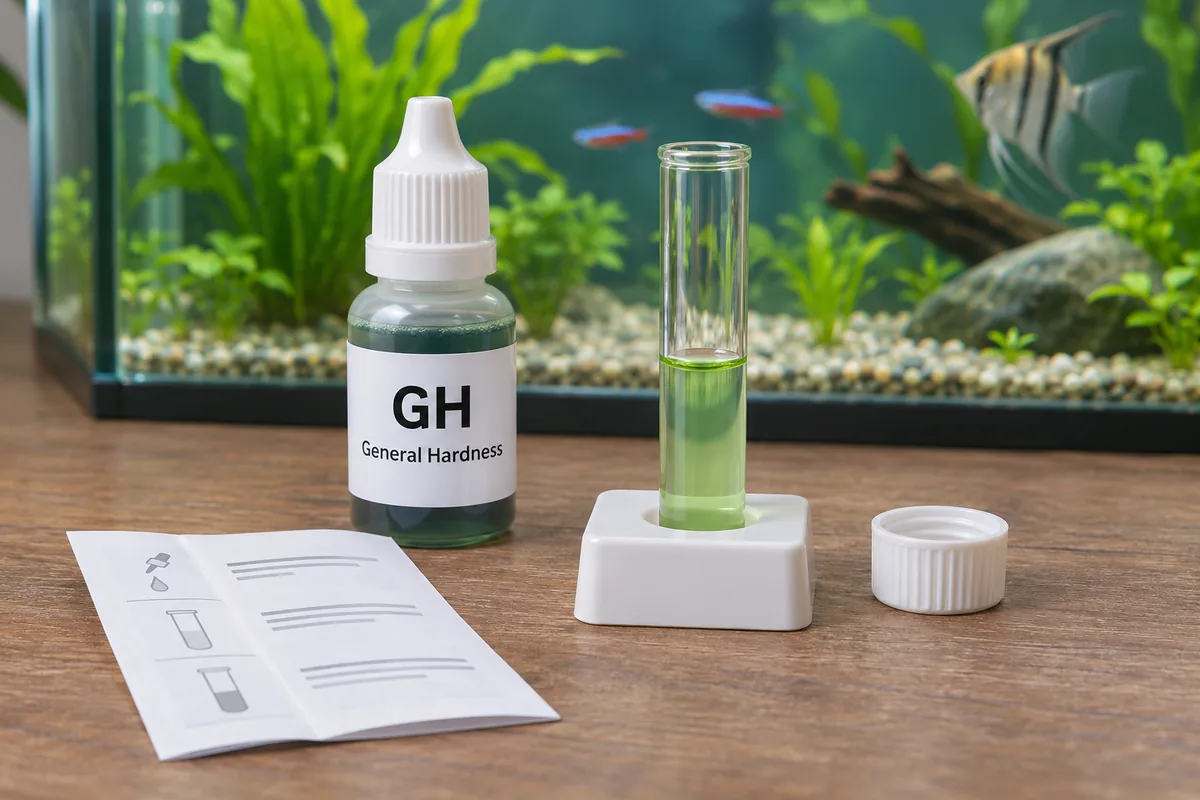
Tetracyclines such as doxycycline attach to calcium and magnesium. Once bound, part of the drug can no longer reach the bacteria, so the same amount does less in hard water than in soft water, and less again in seawater, which is rich in both minerals.
Test general hardness (GH) before you treat. Soft and moderately hard freshwater suit doxycycline best. In very hard water or a marine system, follow the label closely and ask a veterinarian whether another class, such as a sulfonamide, would be more reliable. Do not try to make up the difference by adding extra medication.
How Fish Doxy compares with other fish antibiotics
Doxycycline's breadth is its strength, but the water decides how well it works. Tetracyclines bind to calcium and magnesium, so hard water and saltwater lock up part of the dose. In those conditions a different class may be the better tool.
| Product | Active ingredient | Best suited to |
|---|---|---|
| Fish Minocycline 100 mg Capsules | Minocycline | A related tetracycline with similar uses |
| Fish Sulfa (Sulfamethoxazole/Trimethoprim) 960 mg Tablets | Sulfamethoxazole and trimethoprim | Broad cover by a different mode of action |
| Fish Flox (Ciprofloxacin) 500 mg Capsules and Tablets | Ciprofloxacin | Serious gram-negative infections |
| Fish Zithro (Azithromycin) 250 mg Tablets | Azithromycin | A long-acting second-line choice |
Choosing your Fish Doxy pack
Tablets are the most economical choice and come in three sizes, from a single course in 30 to a fish-room supply in 100. Capsules, in bottles of 100, suit keepers who prefer them. Both forms hold 100 mg of doxycycline hyclate. The amount per volume of water and the length of the course are printed on your bottle's label.
Before you treat with Fish Doxy
- Test ammonia, nitrite, nitrate and pH first. Poor water quality causes many of the same signs as infection, and it has to be put right whatever else you do.
- Move affected fish to a bare hospital tank when you can. It protects the display tank's filter bacteria, plants and invertebrates, and lets you treat an exact volume.
- Work out the real water volume. Gravel, rock and decor take up space, so a tank holds less than its nominal size.
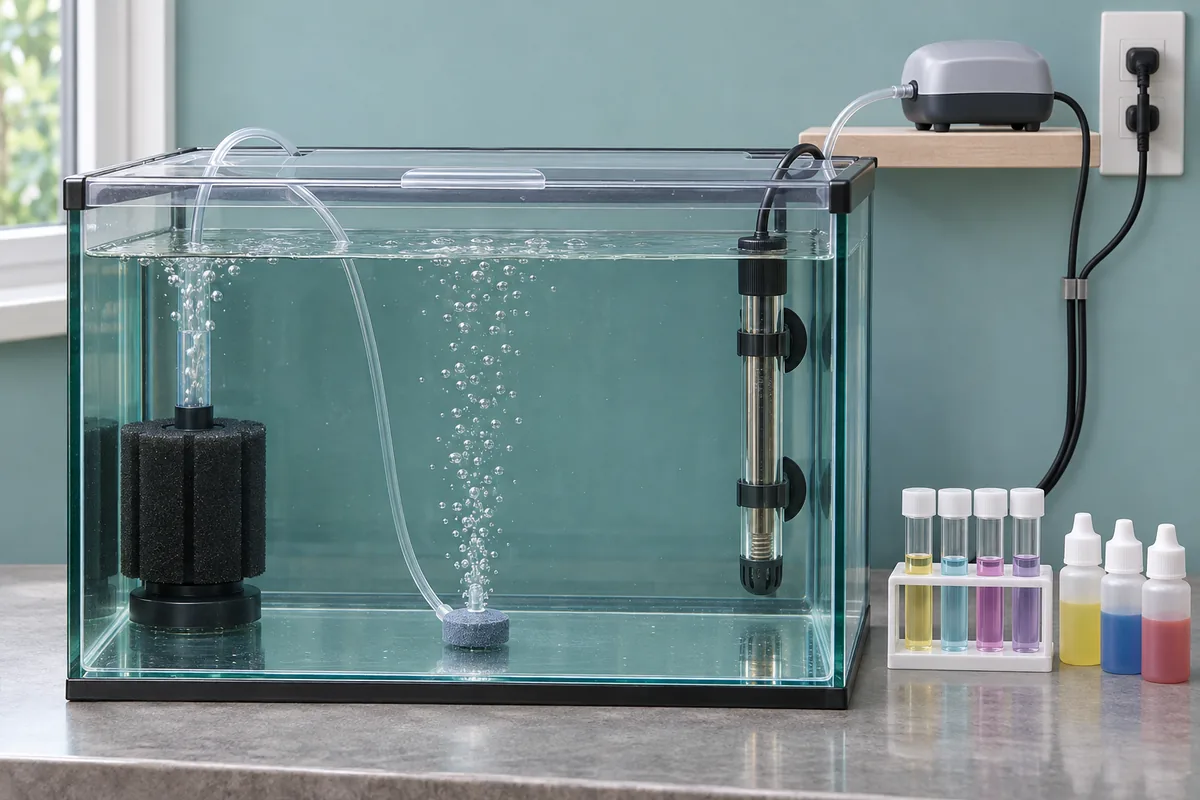
- Take activated carbon and other chemical media out of the filter, and switch off any UV sterilizer: both remove or break down medication.
- Check your water hardness (GH). Calcium and magnesium bind doxycycline, so in hard water ask a veterinarian whether another drug would serve better.
During treatment with Fish Doxy
- Follow the directions printed on your bottle for the amount, how often to give it and how long the course lasts.
- Finish the full course even when fish improve early. Stopping short leaves the hardiest organisms behind.
- Increase aeration. Sick fish need more oxygen, and warm water holds less of it.
- Test ammonia and nitrite every day or two, because medication can slow the filter, and change water as the label directs.
- Use one medication at a time unless a veterinarian advises otherwise.
- Doxycycline can tint the water yellow, which is harmless. Keep the tank lights off or dim during treatment, because light breaks tetracyclines down.
Signs Fish Doxy is working, and when to get help
Because doxycycline stops bacteria rather than killing them outright, improvement can be gradual: steadier breathing, a returning appetite and sores that stop spreading over the first several days. Keep conditions stable so the fish's immune system can finish the job.
If fish get worse, or nothing has changed by the middle of the course, ask an aquatic veterinarian whether a different drug, or a different diagnosis, is needed.
Fish Doxy safety and storage
Keep doxycycline in its closed bottle in a cool, dry and dark place. Light and moisture degrade it, and degraded tetracyclines should not be used, so do not use the product after its expiry date or if it looks discolored. Store it out of reach of children and pets, and dispose of unused product as your local guidance for medicines directs.
Fish Doxy: frequently asked questions
Tablets or capsules: which Fish Doxy should I buy?
Both contain 100 mg of doxycycline hyclate. Tablets come in more pack sizes and cost less per dose, while capsules suit keepers who prefer them. Follow the label for the form you buy.
Can I use doxycycline in a saltwater aquarium?
Seawater is rich in calcium and magnesium, which bind tetracyclines and reduce how much reaches the fish. Check the label before treating a marine or very hard-water system, and ask a veterinarian about alternatives.
Is doxycycline safe for my filter?
Broad-spectrum antibiotics can set back filter bacteria. A hospital tank avoids the problem; in a display tank, test ammonia and nitrite every day or two.
What is the difference between Fish Doxy and Fish Minocycline?
Both are tetracyclines with similar uses. Minocycline is even more fat-soluble, and which one a veterinarian prefers depends on the fish and the infection.
How long does a course of Fish Doxy last?
Your bottle's label sets the length of the course. Because doxycycline holds bacteria back rather than killing them outright, finishing the whole course matters even more than with some other antibiotics.
For ornamental and aquarium fish only. Not for human use, and not for fish kept for food. This page is general information, not veterinary advice: if you are not sure what your fish has, ask an aquatic veterinarian.
Label facts
- Full item name
- Fish Doxy (Doxycycline) 100 mg Tablets and Capsules for Aquarium Fish
- Labeled species
- Ornamental and aquarium fish
- Active ingredient
- Doxycycline
- Strength
- 100 mg per tablet or capsule
- Form
- Tablet or capsule
Questions about diagnosis, which medication to use or how much to give belong with a veterinarian. Our support team can help with orders, shipping and returns.
Reviews
No reviews yet.