Thomas Pet Rx
Fish Minocycline 100 mg Capsules for Aquarium Fish
In stock
100 mg · 30 capsules
The Fish Minocycline guide: minocycline for aquarium fish
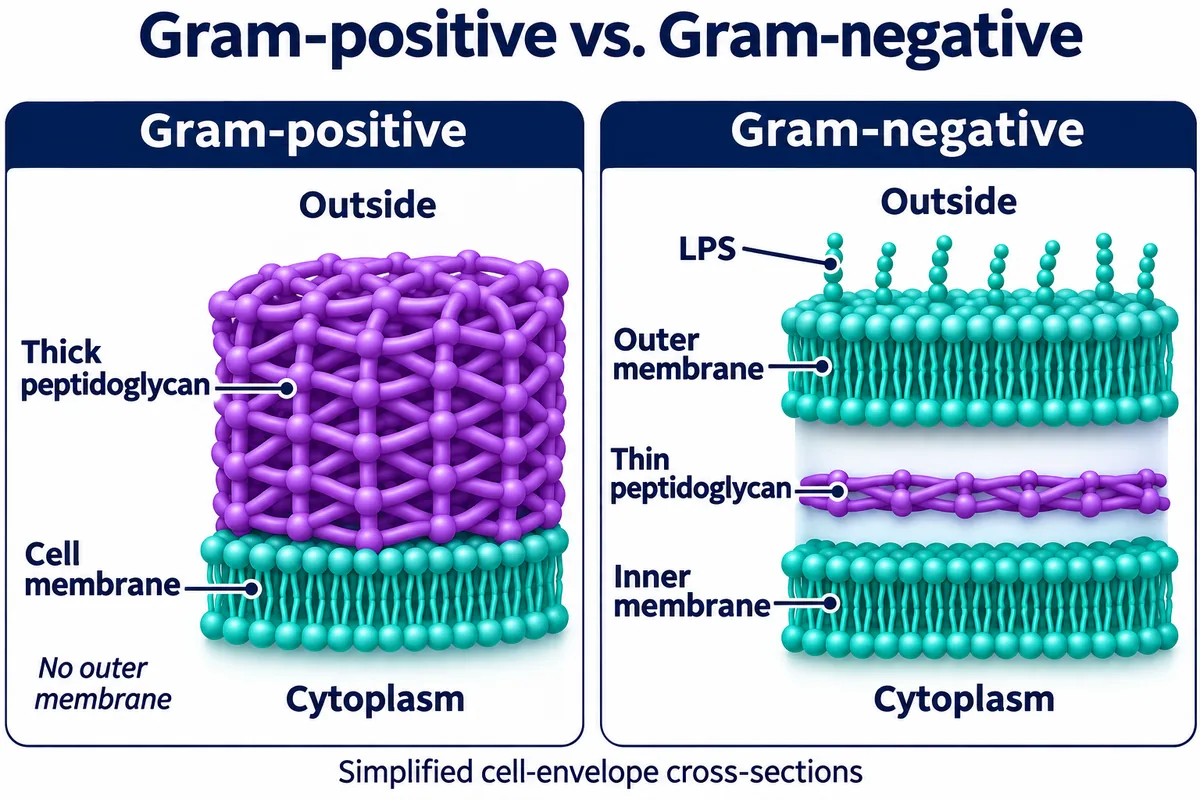
Fish Minocycline is minocycline at 100 mg per capsule for ornamental and aquarium fish. Minocycline is a tetracycline-class antibiotic with a broad range across gram-positive and gram-negative bacteria, and it is the most fat-soluble member of its family, which helps it move into tissue.
Each bottle holds 30 capsules. This guide covers how minocycline for fish works, the infections it suits, the water conditions that affect it, and how to treat safely.
Fish Minocycline at a glance
| Active ingredient | Minocycline |
|---|---|
| Drug class | Tetracycline-class antibiotic |
| Strength | 100 mg per capsule |
| Form | Capsule |
| Pack sizes | 100 mg · 30 capsules |
| Labeled for | Ornamental and aquarium fish |
What is Fish Minocycline?
Minocycline blocks the bacterial ribosome, the machinery that builds proteins, so bacteria can no longer grow or multiply. It is mainly bacteriostatic: it holds the infection back while the fish's immune system clears it, which is why clean water and a calm hospital tank matter during treatment.
Minocycline is a newer tetracycline than tetracycline or oxytetracycline. Some bacteria that resist the older tetracyclines remain sensitive to it, and its fat solubility carries it into skin, gills and organs. Like the rest of its family it binds calcium and magnesium, and light breaks it down.
What minocycline for fish is used for
Aquarists use minocycline for broad bacterial problems:
- Skin, fin and body infections: frayed fins, red streaks and reddened patches, including those linked to gram-negative bacteria such as Aeromonas.
- Gill infections: rapid breathing and inflamed gills that continue after water quality has been put right.
- Infections that did not respond to a beta-lactam: cases where amoxicillin or cephalexin made no difference.
- Infections in soft-water fish: tetras, discus and other soft-water species, where tetracyclines work at their best.
Minocycline does not treat parasites, fungi or viruses, and it should not be used on fish that are only stressed by poor water.
Tetracyclines in the aquarium: color, light and hardness
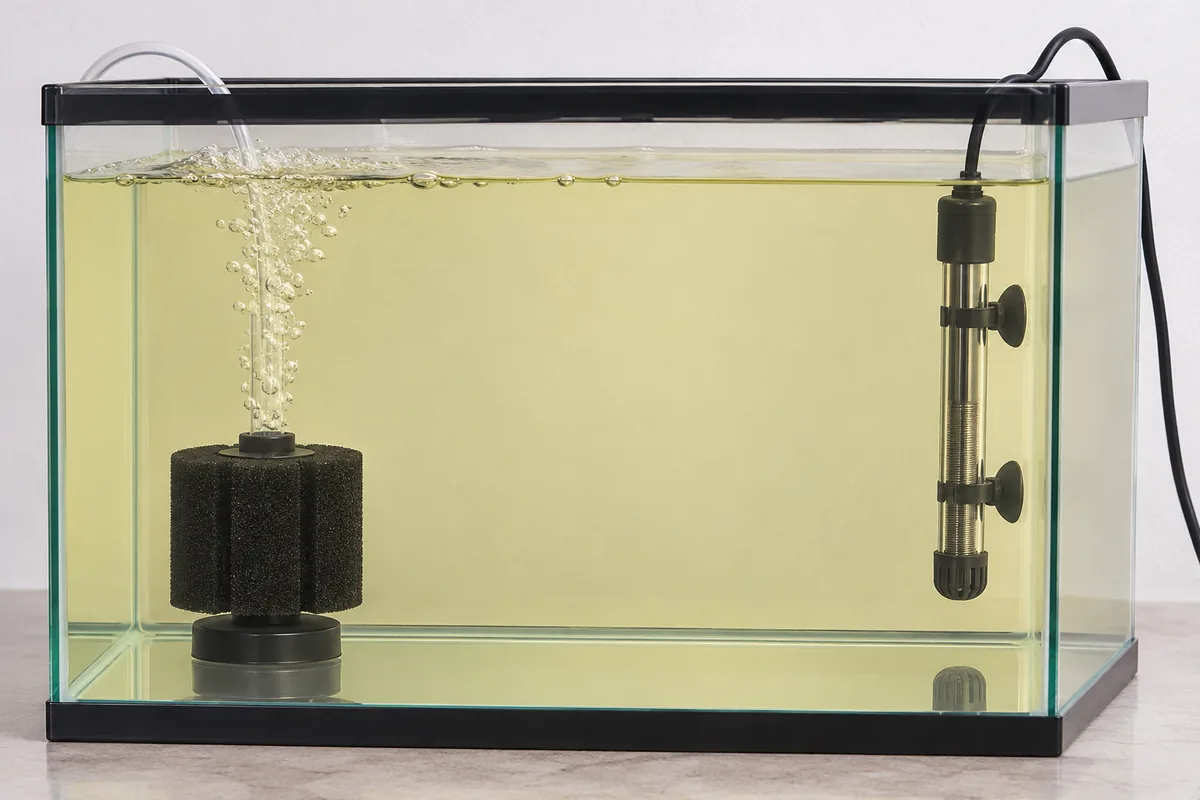
Minocycline is yellow and can tint the water while it is in use. The color is harmless and fades with water changes after the course. Keep the tank lights off or dim, because light breaks tetracyclines down.
Hardness matters too. Calcium and magnesium bind tetracyclines, so the same amount does less in hard water and less again in seawater. Test general hardness (GH) before treating, and in very hard water or a marine system ask a veterinarian whether another class would be more reliable.
Minocycline or doxycycline?
Both are modern tetracyclines with similar uses. Minocycline is the more fat-soluble of the two and stays active against some bacteria that resist older tetracyclines, while doxycycline comes in more pack sizes. Which one a veterinarian prefers depends on the fish and the infection.
How Fish Minocycline compares with other fish antibiotics
Minocycline gives broad cover by blocking protein production. Drugs from other classes are the better tool in very hard water or when a tetracycline has already failed.
| Product | Active ingredient | Best suited to |
|---|---|---|
| Fish Doxy (Doxycycline) 100 mg Tablets and Capsules | Doxycycline | A related tetracycline in more pack sizes |
| Fish Sulfa (Sulfamethoxazole/Trimethoprim) 960 mg Tablets | Sulfamethoxazole and trimethoprim | Broad cover by a different mode of action |
| Fish Flox (Ciprofloxacin) 500 mg Capsules and Tablets | Ciprofloxacin | Serious gram-negative infections |
| Fish Mox (Amoxicillin) Capsules | Amoxicillin | A first-line choice for milder infections |
What is in a bottle of Fish Minocycline
Each bottle holds 30 capsules of 100 mg minocycline, typically enough for a course in one aquarium. Large systems may need more; your label gives the amount per volume of water and the length of the course, so check it before you start.
Before you treat with Fish Minocycline
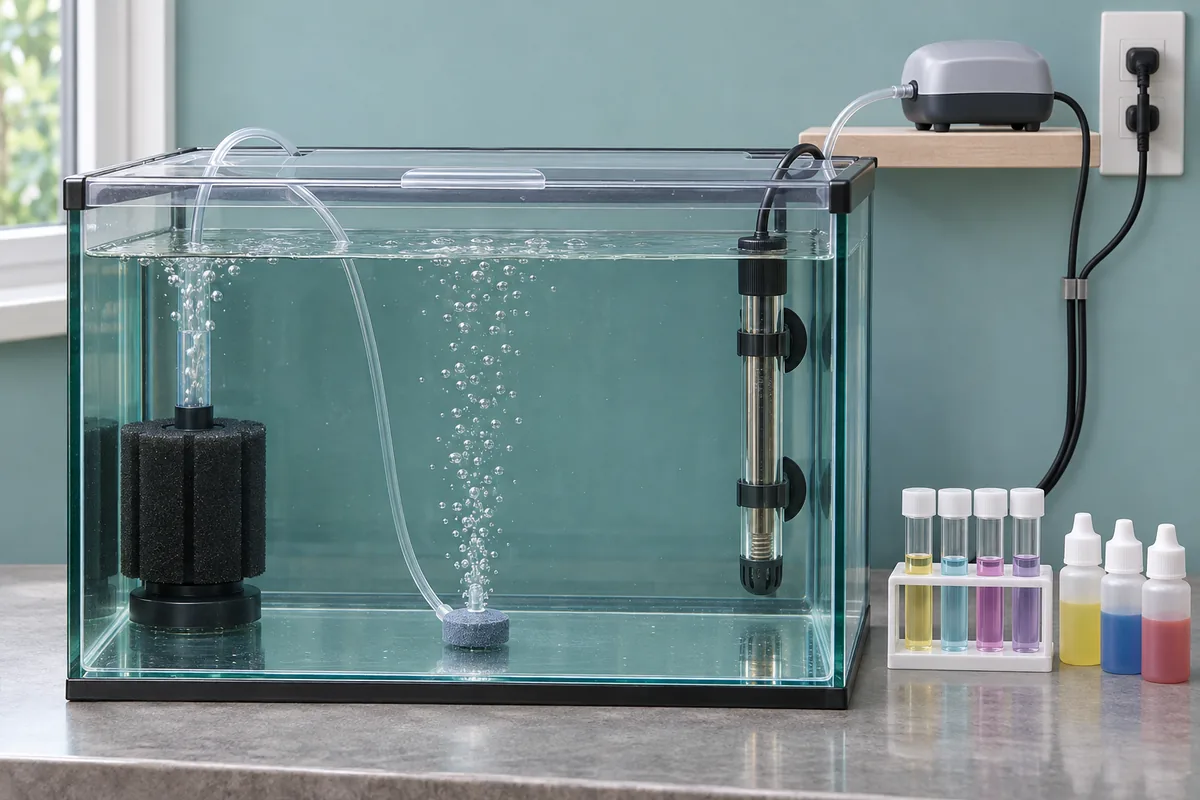
- Test ammonia, nitrite, nitrate and pH first. Poor water quality causes many of the same signs as infection, and it has to be put right whatever else you do.
- Move affected fish to a bare hospital tank when you can. It protects the display tank's filter bacteria, plants and invertebrates, and lets you treat an exact volume.
- Work out the real water volume. Gravel, rock and decor take up space, so a tank holds less than its nominal size.
- Take activated carbon and other chemical media out of the filter, and switch off any UV sterilizer: both remove or break down medication.
- Test general hardness (GH). Minocycline works best in soft to moderately hard water.
During treatment with Fish Minocycline
- Follow the directions printed on your bottle for the amount, how often to give it and how long the course lasts.
- Finish the full course even when fish improve early. Stopping short leaves the hardiest organisms behind.
- Increase aeration. Sick fish need more oxygen, and warm water holds less of it.
- Test ammonia and nitrite every day or two, because medication can slow the filter, and change water as the label directs.
- Use one medication at a time unless a veterinarian advises otherwise.
- Expect a yellow tint in the water. If the water turns cloudy instead, test ammonia straight away, because the filter may have been set back.
Signs Fish Minocycline is working, and when to get help
Because minocycline holds bacteria back rather than killing them outright, improvement is gradual: steadier breathing, a returning appetite and sores that stop spreading over the first several days. Fins and skin then heal over the following weeks.
If fish get worse, or nothing has changed by the middle of the course, ask an aquatic veterinarian whether a different drug, or a different diagnosis, is needed.
Fish Minocycline safety and storage
Keep the capsules in their closed bottle in a cool, dry, dark place, out of reach of children and pets. Do not use the product after its expiry date or if the capsules look discolored, because degraded tetracyclines should not be used. Wash your hands after handling, never use it for people or for fish kept for food, and dispose of unused product as your local guidance for medicines directs.
Fish Minocycline: frequently asked questions
Why did my aquarium water turn yellow?
Minocycline is yellow and tints the water. It is harmless and fades with water changes after the course.
Can I use minocycline in a saltwater aquarium?
Seawater's calcium and magnesium bind tetracyclines and reduce their effect. Check the label and ask a veterinarian about alternatives before treating marine fish.
Is minocycline safe for my filter?
Broad antibiotics can slow filter bacteria. Treat in a hospital tank where possible, or test ammonia and nitrite every day or two.
Does Fish Minocycline treat columnaris?
Columnaris is a gram-negative infection that tetracyclines can reach, but it moves fast. Start treatment promptly, keep the water clean and ask a veterinarian if fish do not improve within days.
Can I keep the tank lights on during treatment?
Keep them off or dim. Light breaks tetracyclines down, so a dark tank keeps more of the drug active.
How is Fish Minocycline different from Fish Doxy?
Both are tetracyclines. Minocycline is more fat-soluble and stays active against some bacteria resistant to older tetracyclines; Fish Doxy comes in more pack sizes and forms.
Can I use Fish Minocycline with shrimp or snails?
Keep invertebrates out of medicated water by treating fish in a hospital tank. Their response to antibiotics varies, and a separate tank also protects the display tank's filter.
For ornamental and aquarium fish only. Not for human use, and not for fish kept for food. This page is general information, not veterinary advice: if you are not sure what your fish has, ask an aquatic veterinarian.
Label facts
- Full item name
- Fish Minocycline 100 mg Capsules for Aquarium Fish
- Labeled species
- Ornamental and aquarium fish
- Active ingredient
- Minocycline
- Strength
- 100 mg per capsule
- Form
- Capsule
- Pack counts
- 100 mg · 30 capsules
Questions about diagnosis, which medication to use or how much to give belong with a veterinarian. Our support team can help with orders, shipping and returns.
Reviews
No reviews yet.