Thomas Pet Rx
Fish Sulfa (Sulfamethoxazole/Trimethoprim) 960 mg Tablets for Aquarium Fish
In stock
960 mg · 30 tablets
The Fish Sulfa guide: sulfamethoxazole and trimethoprim for aquarium fish
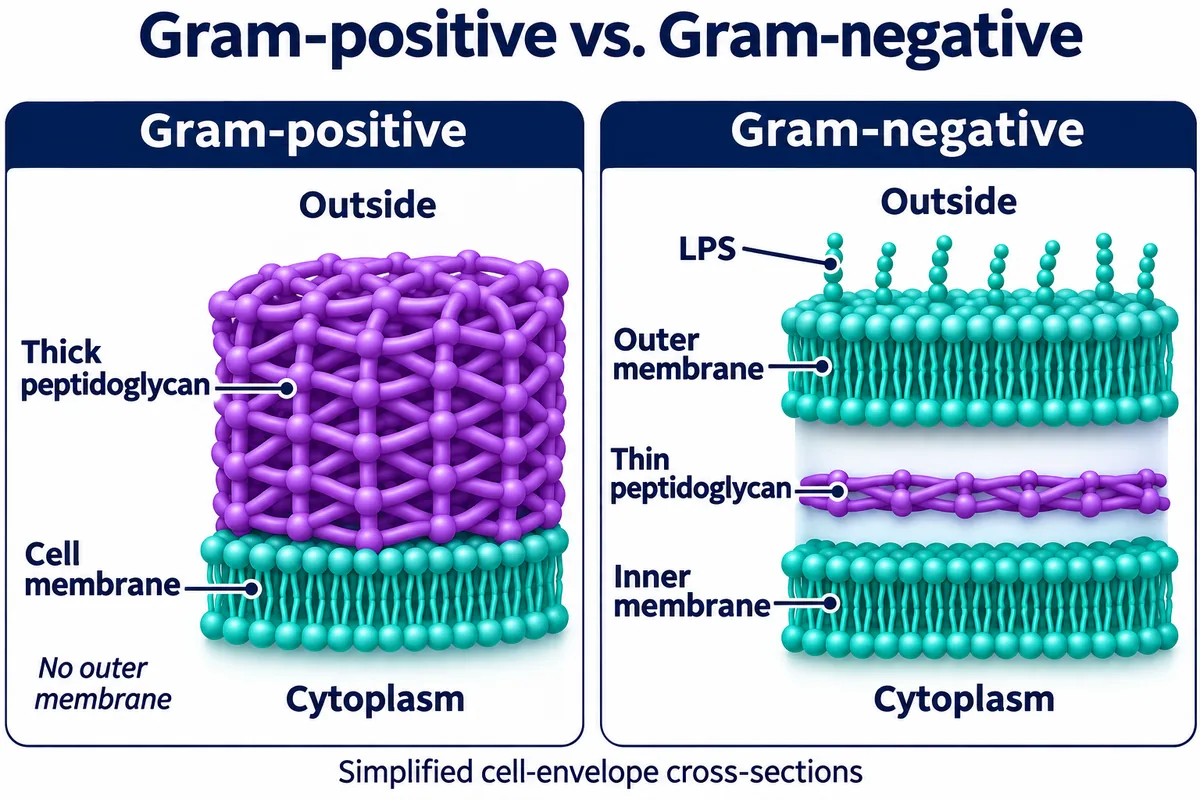
Fish Sulfa combines two antibacterials, sulfamethoxazole 800 mg and trimethoprim 160 mg, in one 960 mg tablet for ornamental and aquarium fish. Working together, they reach a broad range of gram-positive and gram-negative bacteria, which makes this one of the most versatile fish antibiotics for common skin, fin, mouth and gill infections.
Bottles hold 30 or 60 tablets. Below you will find how the combination works, what aquarists use it for, how it compares with the other fish antibiotics, and how to treat safely.
Fish Sulfa at a glance
| Active ingredient | Sulfamethoxazole and trimethoprim |
|---|---|
| Drug class | Potentiated sulfonamide antibiotic |
| Strength | 960 mg per tablet: sulfamethoxazole 800 mg + trimethoprim 160 mg |
| Form | Tablet |
| Pack sizes | 960 mg · 30 tablets, 960 mg · 60 tablets |
| Labeled for | Ornamental and aquarium fish |
What is Fish Sulfa (sulfamethoxazole and trimethoprim)?
Bacteria must make their own folic acid in order to build DNA. Sulfamethoxazole blocks one step of that process and trimethoprim blocks the next. Each drug alone slows bacteria; together the double blockade is far stronger and usually kills susceptible bacteria, which is why the pair is called a potentiated sulfonamide.
Acting at two steps also makes it harder for bacteria to become resistant, and gives the combination a broad reach that includes many of the gram-negative species common in aquariums, such as Aeromonas.
What fish sulfa is used for
Fish Sulfa is a practical choice for many common bacterial problems:
- Skin, fin and mouth infections: white or gray patches, frayed fins and fuzzy, eroding mouths, including suspected columnaris.
- Ulcer disease: red, open sores on the body, often linked to Aeromonas and Pseudomonas.
- Gill infections: rapid breathing and damaged gills that continue after water quality has been put right.
- Outbreaks in a group of fish: several fish showing bacterial signs at once, where a broad drug is the practical choice.
Fish Sulfa does not treat parasites, fungi or viruses.
Recognising columnaris and ulcer disease
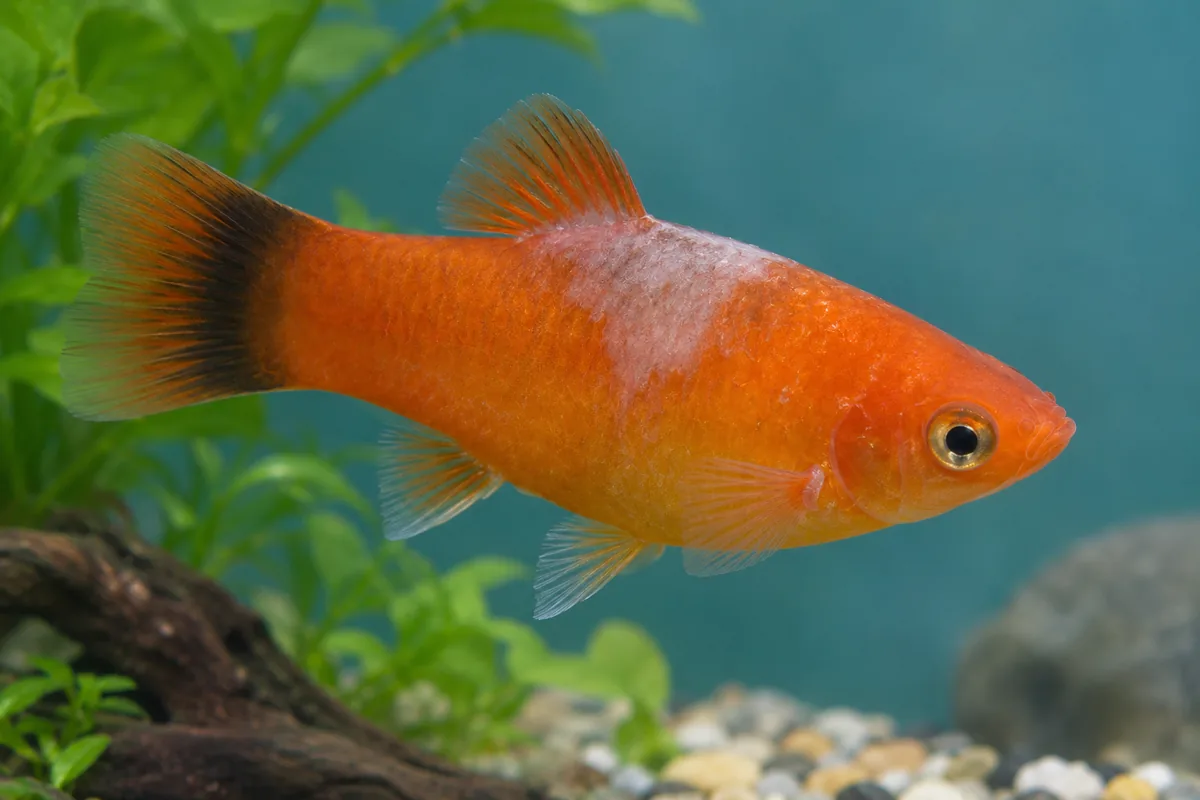
Columnaris is caused by Flavobacterium columnare. It often starts as gray or white patches on the skin, a pale band behind the head sometimes called saddleback, frayed fins, or a fuzzy, eroding mouth that is easily mistaken for fungus. It can spread quickly through a tank, especially in warm water.
Ulcer disease is usually linked to Aeromonas: raised red spots that break open into sores, often with scales missing around them. Both conditions follow stress, injury and poor water. Correct the water first, isolate affected fish if you can, and start treatment without delay.
Why two drugs in one tablet
Sulfamethoxazole and trimethoprim block neighbouring steps in the same pathway, so bacteria would need to overcome both at once to resist. That makes the pair more effective than either drug alone and slows the development of resistance, provided every course is completed at the amount on the label.
How Fish Sulfa compares with other fish antibiotics
Fish Sulfa sits between the first-line beta-lactams and the fluoroquinolones: broader than amoxicillin, and gentler than ciprofloxacin.
| Product | Active ingredient | Best suited to |
|---|---|---|
| Fish Mox (Amoxicillin) Capsules | Amoxicillin | Milder, mostly gram-positive infections |
| Fish Flox (Ciprofloxacin) 500 mg Capsules and Tablets | Ciprofloxacin | Serious gram-negative infections |
| Fish Doxy (Doxycycline) 100 mg Tablets and Capsules | Doxycycline | A broad tetracycline for soft water |
| Fish Zithro (Azithromycin) 250 mg Tablets | Azithromycin | A long-acting second-line choice |
Choosing your Fish Sulfa pack
Every tablet holds the same 960 mg combination. The 30-tablet bottle covers a typical course for one aquarium, and the 60-tablet bottle suits bigger volumes, several tanks or a second course on hand. Follow the label for the amount per volume of water and the length of treatment.
Before you treat with Fish Sulfa
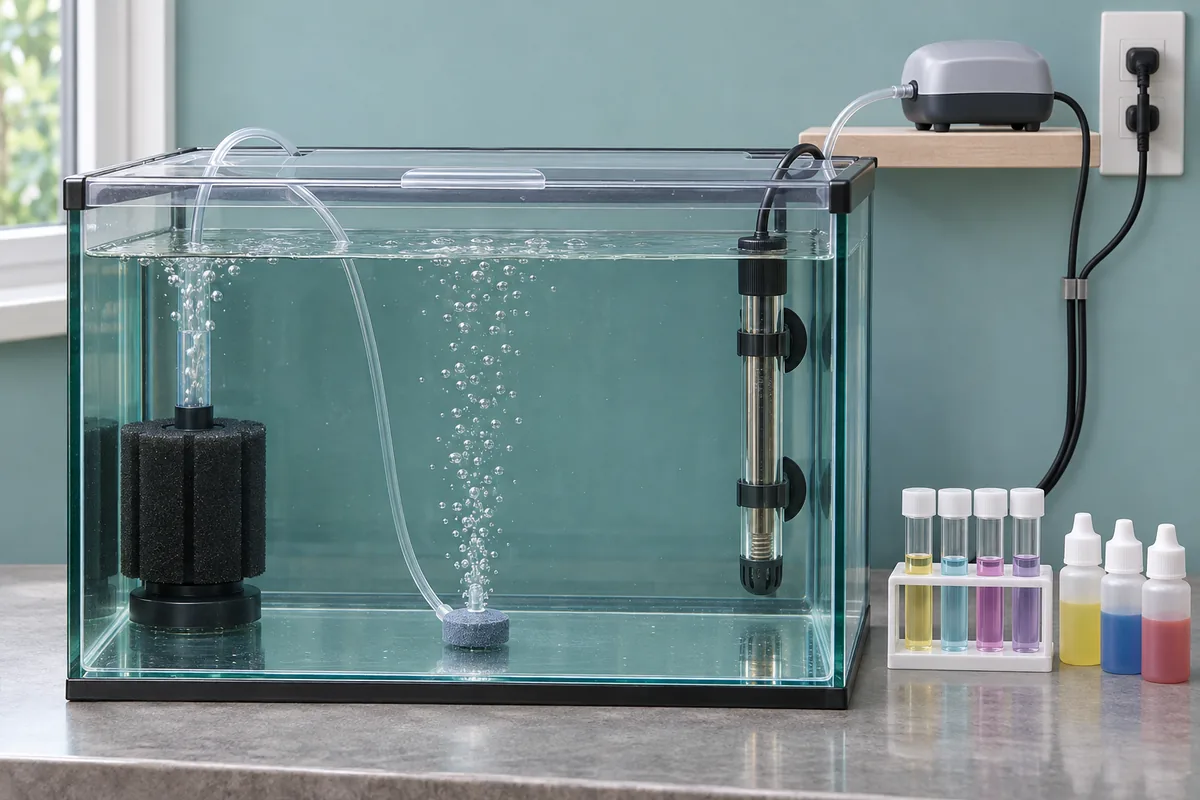
- Test ammonia, nitrite, nitrate and pH first. Poor water quality causes many of the same signs as infection, and it has to be put right whatever else you do.
- Move affected fish to a bare hospital tank when you can. It protects the display tank's filter bacteria, plants and invertebrates, and lets you treat an exact volume.
- Work out the real water volume. Gravel, rock and decor take up space, so a tank holds less than its nominal size.
- Take activated carbon and other chemical media out of the filter, and switch off any UV sterilizer: both remove or break down medication.
- Note whether the fish has been treated with a sulfa drug before. Fish that reacted badly, or bacteria that did not respond, call for a different class.
During treatment with Fish Sulfa
- Follow the directions printed on your bottle for the amount, how often to give it and how long the course lasts.
- Finish the full course even when fish improve early. Stopping short leaves the hardiest organisms behind.
- Increase aeration. Sick fish need more oxygen, and warm water holds less of it.
- Test ammonia and nitrite every day or two, because medication can slow the filter, and change water as the label directs.
- Use one medication at a time unless a veterinarian advises otherwise.
- Tablets dissolve best when crushed and mixed into a little tank water before dosing, unless the label says otherwise.
- Keep the temperature stable: a stressed fish clears infection more slowly.
Signs Fish Sulfa is working, and when to get help
Most fish respond within a few days of starting: patches stop spreading, appetite returns and breathing settles. Ulcers and eroded fins then heal over the following weeks.
If the signs spread despite treatment, ask an aquatic veterinarian to culture the bacteria. Resistance to sulfonamides exists, and a culture shows which drug will work.
Fish Sulfa safety and storage
Sulfonamide allergies occur in people. If you have one, do not handle the tablets without gloves. Store the bottle closed in a cool, dry place away from light, out of reach of children and pets, and dispose of unused product as your local guidance for medicines directs.
Fish Sulfa: frequently asked questions
What does 960 mg mean on Fish Sulfa?
It is the combined amount in each tablet: 800 mg of sulfamethoxazole plus 160 mg of trimethoprim, the two drugs in a fixed ratio.
Is Fish Sulfa good for columnaris?
It is often used for suspected columnaris and other bacterial skin infections. Columnaris can move fast, so start treatment promptly, keep the water clean and keep the fish as calm as possible.
Can I use Fish Sulfa in saltwater?
Sulfonamides are used in marine systems, but treat in a hospital tank to keep corals and invertebrates out of medicated water.
Will Fish Sulfa affect my filter?
Broad antibacterials can slow filter bacteria. A hospital tank avoids the problem; otherwise test ammonia and nitrite every day or two.
Can I combine Fish Sulfa with other antibiotics?
Only on a veterinarian's advice. Combining drugs makes side effects more likely and hides which one is working.
Can Fish Sulfa be given in food?
Sulfonamides are sometimes given in medicated food for infections inside the body, which only works while fish are still eating. The amount and method should come from your label or a veterinarian.
How is Fish Sulfa different from Fish Mox?
Fish Mox is amoxicillin, a penicillin that is strongest against gram-positive bacteria. Fish Sulfa reaches further into the gram-negative bacteria behind many ulcers and skin infections, by a completely different mechanism.
For ornamental and aquarium fish only. Not for human use, and not for fish kept for food. This page is general information, not veterinary advice: if you are not sure what your fish has, ask an aquatic veterinarian.
Label facts
- Full item name
- Fish Sulfa (Sulfamethoxazole/Trimethoprim) 960 mg Tablets for Aquarium Fish
- Labeled species
- Ornamental and aquarium fish
- Active ingredient
- Sulfamethoxazole and trimethoprim
- Strength
- 960 mg per tablet (sulfamethoxazole with trimethoprim)
- Form
- Tablet
- Pack counts
- 960 mg · 30 tablets, 960 mg · 60 tablets
Questions about diagnosis, which medication to use or how much to give belong with a veterinarian. Our support team can help with orders, shipping and returns.
Reviews
No reviews yet.